

**This blog post was updated on December 6, 2022.**
What is grooming? Well, if you’re a parent or guardian, you’ve probably worried about your child getting kidnapped by a predator at a playground or in a mall. But predators can also approach your child without ever being in the same room with them. All they have to do is send a simple message on the internet. Below we will try to answer your question, “What does grooming mean?”
What Is Grooming & How To The Spot Signs of Grooming
Online grooming occurs when a predator initiates and cultivates a relationship with a child through the internet, culminating in sexual abuse that can include:
- Taking sexual photos
- Sending sexual messages
- Sextortion
- In-person sexual abuse
- Trafficking
The process of grooming is a purposefully slow one, as predators methodically take steps to build relationships with children and gain their trust. Predators are masters at manipulation and can appear kind and helpful to hide their ulterior motives, taking advantage of a child’s naivete.
The steps below outline the general pattern of behavior consistent with the signs of grooming. However, every situation is unique, so variations are always possible. Do your best to always be aware of any adult who begins to take an interest in your child, and be sure to check in with your child regularly so they know they can come to you if they ever experience something negative online.
Targeting
Predators often set their sights on vulnerable children, such as those who are emotionally fragile or have less parental oversight. Their first interactions with the child are generally pleasant and include light conversation to lower defenses and make their target feel important. Many predators initiate conversations on public chat apps or in the chat section of games for kids, pretending to be younger than they really are.
Engaging
Many times, the predator will try to fill some sort of need the child has, such as a desire for attention. The adult might also try to connect with their victim by paying them compliments, listening to them, or buying gifts. Be aware of any presents your child may receive from other adults, especially electronic devices, as these may be given for the purpose of becoming a way for the predator to communicate directly with your child.
Boundary Testing
At this point, the predator will attempt to deepen the relationship and gauge the level of threat he’s facing from the parents. He might ask questions to see how closely the child’s devices are monitored and try to figure out whether the child would be believed if they tell their parents about the relationship. During this time, kids may become more secretive about their online activity, so pay attention if their attitude changes when discussing what they do while they’re on their devices.
Isolating
Here, the predator might try to separate the child from their family by establishing himself as the most important person to them. He will try to gain the trust of the child completely, convincing them that they share a special bond. A predator will also look for opportunities to create emotional distance between the child and their family, often using sly tactics to create situations to reinforce the idea of a “special relationship.” Trust your instincts when something isn’t right when it comes to how your child is acting.
Sexualizing
This stage culminates in sexual activity. While some perpetrators might attempt to meet their victims in person, others carry out their sexual abuse entirely online. Predators will begin to discuss sex explicitly, mentioning sexual activities with the child to desensitize them. Some predators have been known to show children pictures of other minors without their clothing in order to make it appear more normal. This influx of sexual information will make the child know far more about sexual activity than is age-appropriate. At this point, the predator may also begin to request sexual videos of their victim and/or send their own.
Controlling
When a predator starts to abuse a child, they will go to great lengths to maintain control and ensure the child is emotionally dependent on them. In most cases, the offender uses secrecy, blame, and even threats of retribution to keep children from saying anything. Let your kids know they can come to you when anyone asks them to do something they are not comfortable with, even if that person is an adult.
What You Can Do When You See Signs of Grooming
So, how do you spot the signs of grooming? Children of any gender, family situation, and socioeconomic status can be targeted as victims of grooming – no one is immune. To help protect your child from online predators, there are a number of steps you can take, including:
- Encouraging your child to be “share aware” by talking openly and often about what sites they’re visiting, games they’re playing, and people they’re chatting with.
- Creating a family environment where your child feels safe talking about difficult topics. The safer a child feels, the more likely they are to open up when something bad happens.
- Monitoring their devices for potentially harmful communications. Bark is designed to detect messages that may be inappropriate or indicative of sexual abuse. Our screen time and web filtering features can also help parents and guardians manage how their child accesses the internet.
Hopefully, we were able to answer your question, “What does grooming mean?” Signs of grooming can be difficult to spot because sexual predators are adept at coercing their victims into keeping quiet. Predators can even befriend parents and caregivers, which makes it even harder to recognize when something is going on. Maintaining an open line of communication with your child and paying extra attention to the amount of time they spend with other adults, as well as monitoring and managing their online activity, can help protect your child from predators.
Above all, make sure your child knows they are not at fault for anything inappropriate an adult says or does to them. You’re there to help and protect them — not punish them for a predator’s actions. When parents know the signs to look for, they’re in a better position to help keep their kids safe both online and in real life.
Read more


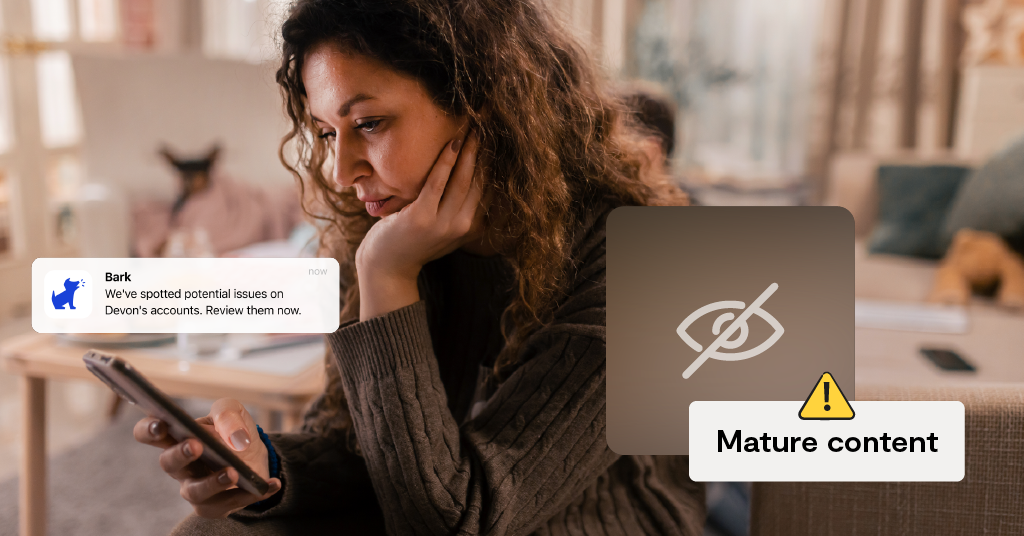
Bark helps families manage and protect their children’s digital lives.