
CONNECTED COMMUNITIES
Out-of-the-box, hands-on training
that provides support to students, staff,
and parents when they need it most.
Out-of-the-box,
hands-on training that provides
support to students, staff, and parents when they
need it most.
Connected Communities is a first-of-its-kind program for elementary and middle school students that brings together students, educators, and parents to align around online safety needs for our kids.

What is Connected Communities?
Connected Communities is a three-day, low to no cost, in-person program led by Bark’s online safety education experts. It fills a critical gap in many schools’ efforts today, focusing on building healthy habits and developing key skills to stay safe online from an early age.
With Connected Communities, all stakeholders gain the skills and awareness to prevent problems before they start — meeting short-term demands and building a foundation for long-term success.
- Students: Learn to manage emotions, practice digital etiquette, use AI responsibly, and spot misinformation.
- Teachers: Understand where tech fits in class, recognize when students are struggling, and foster safe discussions.
- Parents: Model good tech habits, identify risky behaviors, and keep conversations open and supportive.
"The numbers were eye opening to teachers, seeing how many 4th and 5th graders had cell phones as well as the extent of problems coming from digital access, how easy it is to get lured into certain things or issues like suicidal ideation. The content they’re exposed to, and the access they have. We’re so filtered on campus, that appears to be the norm. It was a huge eye opener to faculty members."
"The numbers were eye opening to teachers, seeing how many 4th and 5th graders had cell phones as well as the extent of problems coming from digital access, how easy it is to get lured into certain things or issues like suicidal ideation. The content they’re exposed to, and the access they have. We’re so filtered on campus, that appears to be the norm. It was a huge eye opener to faculty members."
— Joe, Director of Technology, Security and Safety at The Country School
What we cover
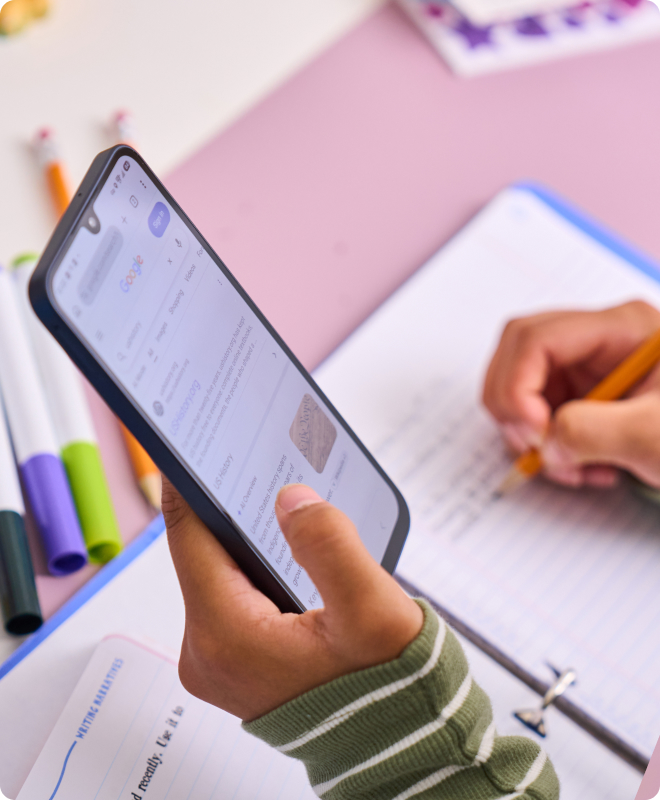
Skill development
Help students use tech responsibly, practice media balance, understand when and how to use technology in class, navigate online conflict in healthy ways, and build digital resilience that supports their emotional well-being and academic success.

Parent collaboration
Give families the tools to reinforce safety at home, meeting parent expectations for transparency and adding coverage for the time when most incidents that bleed into school hours occur.

Early prevention
Shift from reacting to preventing by teaching kids digital etiquette, foundational online behaviors, and healthy habits early, and teachers how to model healthy tech use in the classroom and identify warning signs.

Teacher support and capacity building
Bark provides experienced educators who lead every lesson and manage all parent communications, delivering turnkey support that reduces staff burden and ensures consistent implementation across classrooms.
“Connected Communities will allow us to expand awareness of positive, safer online habits from our classrooms into the broader community.”
Our sessions include:
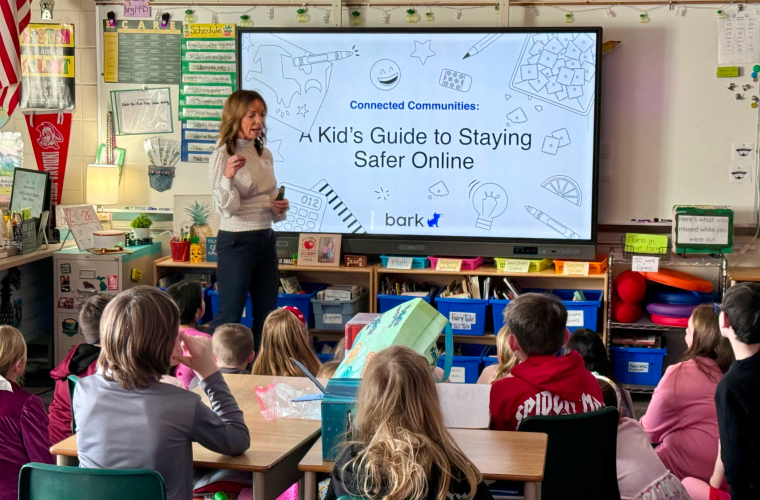
Student workshops
In-person training in topics like group texting, media literacy, social media, cyberbullying, healthy digital habits, and more.
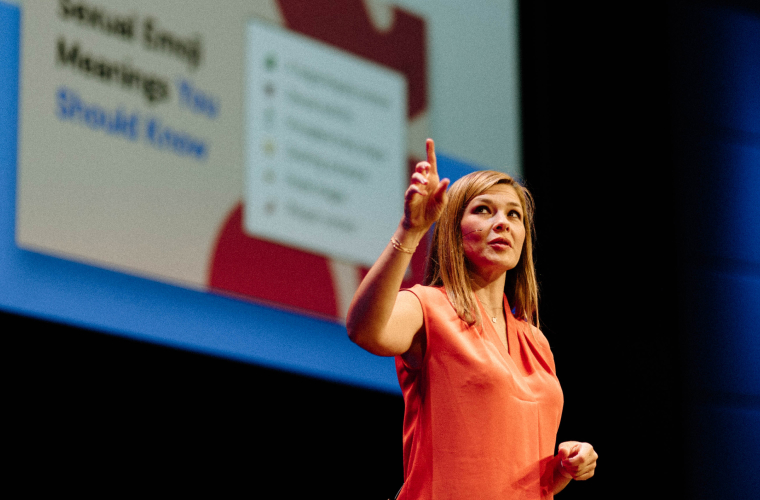
Parent engagement
Receive up-to-date education on what your kid is facing online, and what you can do to help, including warning signs.

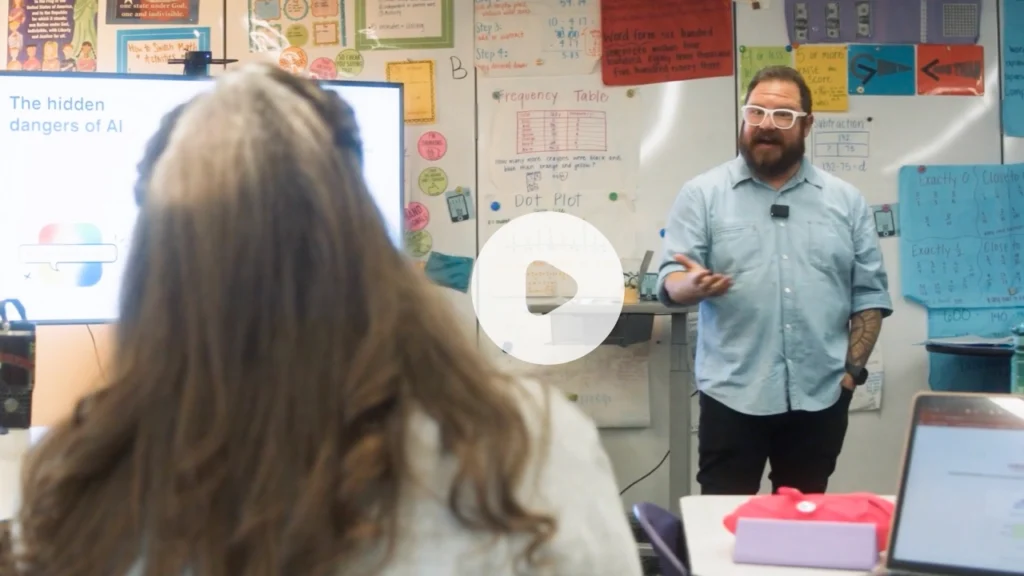
Educator training
Support for educators on key trends and challenges to keep an eye out for during the school day, and how to provide help when needed.
In one pilot district, consistent messaging and a shared pledge increased parent engagement by 40% and reduced online conduct issues.
In one pilot district, consistent messaging and a shared pledge
increased parent engagement by 40% and reduced online conduct issues.

See the difference a connected community makes
See the difference a
connected community makes
What a Connected Community means for your school

Consistent, expert-led instruction across every school without adding work to teachers’ plates.

A clear path to meet new digital literacy and safety requirements with minimal lift or confusion.

Stronger academic and community outcomes as students and families get support for tech use.
“I thought this was gonna be a boring cybersecurity presentation, but this by far exceeded expectations and talked about real-life stuff!”
See our experts in action
- 3 Tech Trends to Watch for Exceptional Students
- Digital Power: Teaching Kids How to Make Tech Work for Them
- Safety Blueprint: Core Practices That Survive Every Trend
- Stronger Together: What it Means to Be a Connected Community
- Phones are Banned. Now What?
- Childhood 2.0: How to reach and teach iGeneration Kids
Students need real-world digital skills, not yesterday’s checklists.
Schools are facing rising expectations for digital literacy and safety, but capacity hasn’t kept pace. With limited staff time, shifting tech, and growing parent pressure, most efforts start too late. And while safety tools can alert, they can’t teach.