
Children and family services
Extend your model of care into digital life
The people, programs, and safeguards surrounding youth are designed to protect their safety and stability. Bark extends that protection into their digital lives, helping caregivers identify potential threats, intervene earlier, and support safer, more independent technology use.

Protect the outcomes your team works hard to build
A young person’s digital life doesn’t exist separately from their placement, relationships, or well-being. What happens through a phone can affect the same outcomes your teams and caregivers are working to protect every day.
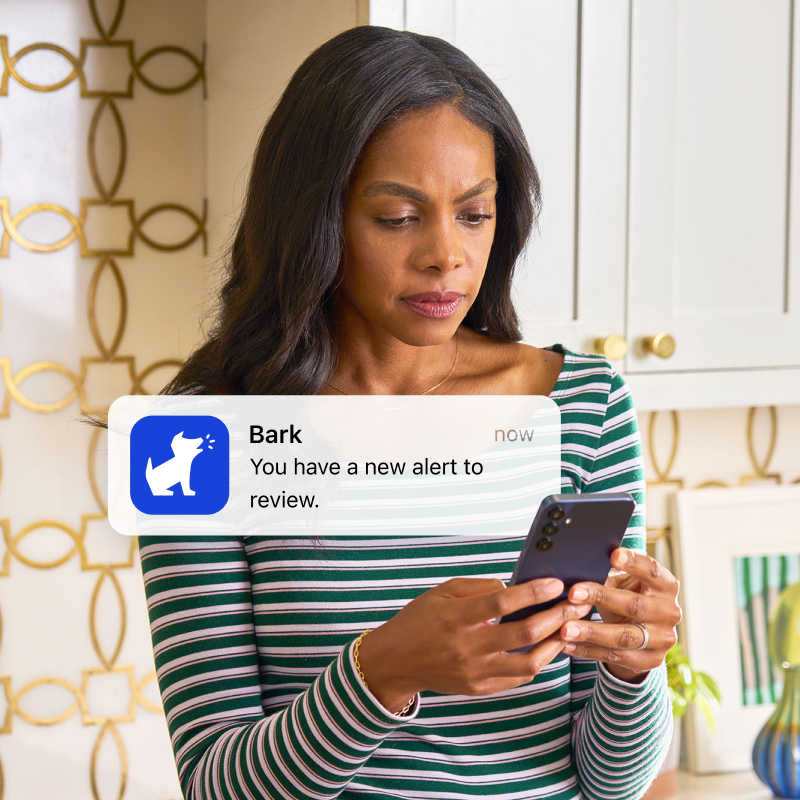
Safety and well-being
Identify potential concerns like unsafe contacts, sexual content, bullying, self-harm, drugs, and other digital risks earlier.

Placement stability and permanency
Give caregivers greater visibility into digital experiences that may create conflict, introduce risk, or disrupt the stability teams are working to build.

Caregiver support
Give foster parents and other caregivers additional tools to set boundaries, stay informed, and respond when concerns arise.

Successful transitions
Maintain appropriate safeguards and support as youth move between settings, return home, or take on greater independence.
The digital gap
When the digital environment sits outside the model of care, caregivers may be responding to behaviors without seeing one of the places those behaviors begin.


Why earlier visibility matters
When concerns go unseen, caregivers and teams may not have the context to respond until an issue has already escalated. For youth in foster care, those incidents can put relationships, safety, and placement stability under greater strain.
Digital visibility creates another opportunity to recognize concerns and provide support earlier.
The cost of instability
1 in 3 children in foster care never reach a stable placement
Source: National Survey of Child and Adolescent Well-Being (NSCAW)
Extend your existing model
Support caregivers
The work already happening
Foster parents and caregivers are building trust, maintaining safety, and responding to the individual needs of young people in their care.
How Bark strengthens it
Bark provides greater context around potential digital concerns, helping caregivers understand what may be affecting a young person and respond earlier with the right support.
Strengthen coordinated care
The work already happening
Case managers, clinicians, caregivers, and other members of the care team share information to understand needs and determine appropriate support.
How Bark strengthens it
Bark can surface relevant digital concerns earlier, giving teams additional context to consider alongside behavior, disclosure, and other inputs when deciding how to respond.
Protect placement stability
The work already happening
Teams work to maintain safe, stable placements and support each young person’s path toward permanency or adulthood.
How Bark strengthens it
Bark helps caregivers identify online conflict, unsafe relationships, exploitation, and other potential concerns sooner, creating opportunities to intervene before digital issues contribute to larger problems.
The Bark Phone
A phone designed to add safeguards, not remove access
Bark Phone combines everyday smartphone access with built-in monitoring, customizable safeguards, and safety tools.
-
Visibility into digital risks
Get alerts about potential concerns across texts, images, apps, and online activity, without caregivers having to read everything.
-
Safeguards that fit the individual
Customize contacts, apps, websites, screen time, and other access based on each young person’s needs.
-
Connection with added safety
Keep youth connected while adding location sharing and other safety features for caregivers.

“The Bark Phone is different because it’s built for safety. You can’t just slap parental controls on a regular phone and expect it to work.”
Perspectives on technology and safety for youth in care
Hear how two Oregon treatment foster care programs introduced phones with gradual access, and what changed for youth, caregivers, and staff.
Build digital safety into your model of care
Every organization, and every young person, has different needs. We work with child- and family-serving organizations to determine how safer technology access can fit within their existing programs, caregiver supports, and safety practices.