
Behavioral health
A safer path to digital independence
Technology is part of everyday life. Bark helps individuals build the skills to navigate it safely, with the right support along the way.

Technology is part of the path forward. But access doesn’t have to be all or nothing.
Whether the goal is greater independence, stability, connection, or a successful move to a less restrictive setting, technology is part of getting there. Bark helps organizations introduce it safely, giving individuals room to practice skills and build confidence while caregivers have the tools to support them along the way.



-
Support independence
Give individuals access to the technology they need while maintaining safeguards appropriate to their needs.
-
Build skills
Create opportunities to practice healthier digital habits and learn to navigate real-world risks.
-
Help caregivers stay connected
Give families, foster parents, staff, and other caregivers greater visibility and tools to support safer technology use.
Support that can change with the individual
No two people have the same needs, abilities, risks, or goals. Bark lets caregivers customize access and safeguards for each individual, then adjust them over time as skills develop.

Bark Watch
A simpler way to stay connected, with location awareness, communication, and built-in safety features.
- Calls and texts with approved contacts
- GPS location and emergency SOS
- No browser, social media, or games

Bark Phone
A customizable smartphone that gives caregivers control over apps, contacts, internet access, screen time, and more, with Bark’s monitoring built in.
- App and contact approvals
- Web filtering and screen time schedules
- Alerts for potential digital risks
Safety that goes beyond restrictions
Creating a safer digital environment isn’t only about deciding what someone can access. It’s also about recognizing when they may need support.
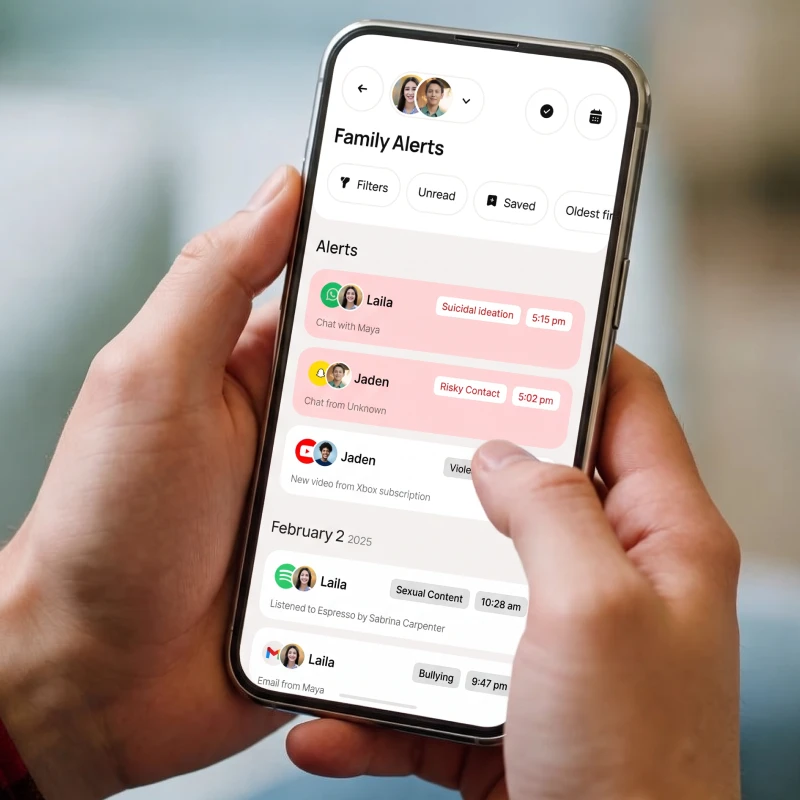
Bark monitors digital activity for potential concerns like bullying, sexual content, self-harm, violence, drugs, and other risks and sends alerts when something may require attention.
That gives caregivers greater visibility without requiring them to review every interaction themselves.
Built for the people supporting the journey
Technology decisions rarely affect one person alone. Staff, families, foster parents, clinicians, case managers, and other caregivers may all play a role in helping someone use technology successfully.
Bark provides tools that make it easier to set appropriate boundaries, stay informed about potential concerns, and adjust support as circumstances change.

“Bark helps our patients see the phone as a tool. It fits within our program focus, providing individualized support to help young adults adapt and gradually allow more freedom in a structured way. The app approval process facilitates proactive conversation around appropriate use.”
“The Bark Phone has helped us make the online world a little bit smaller for survivors. We can then increase exposure slowly and gradually throughout their time of healing so when they transition into independence they transition with healthy technology skills and boundaries.”
“We have always strived to be responsive to the needs of our students and the needs of their families. Bark was a great partner in helping us allow connection between students and their families, while providing us the transparency and control that we need to deliver the best results.”
“It’s helped my son feel more like a teenager... He connects with friends and feels included. It helps us to talk about social interactions. It’s a great tool to teach social skills.”
Supporting different paths and different needs
Bark works with organizations serving individuals and families across a range of settings, including:
-
Behavioral health & treatment
Support safer technology access during treatment and as individuals prepare for what’s next.
-
Foster care & family services
Give youth opportunities for connection and normalcy while helping foster parents and other caregivers provide appropriate support.
-
Therapeutic & specialized education
Create a more supported technology environment as students build skills for school, home, and greater independence.
-
Disability services
Individualize technology access around each person’s abilities, needs, goals, and desired level of independence.
-
Community & outpatient programs
Extend digital safety and skill building beyond residential settings and into everyday life.
Better outcomes, built on connection
-
Safety
Customizable controls and real-time behavioral insights help prevent risky online behavior before it happens.
-
Independence
Empower users to build confidence and autonomy through gradual access to tech, fostering responsible use in a safer environment.
-
Skills
Encourage meaningful conversations around digital literacy and healthy tech habits that last a lifetime.
Technology they’ll use. Skills they’ll keep.
The goal isn’t simply safer access today. It’s helping individuals build the skills and confidence to navigate technology more independently over time.