
SCHOOL PARTNER INSIGHTS
Strengthening proactive safety in
Littleton Public Schools with Bark
Strengthening proactive safety in Littleton Public Schools with Bark
Learn how Littleton moved from reactive response to earlier intervention by listening to student signals at scale using Bark’s advanced AI.

Why Littleton rethought student safety
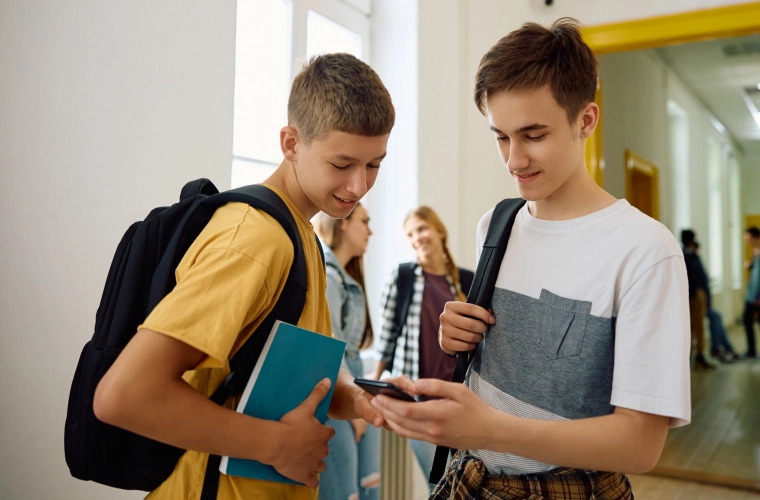
After experiencing multiple critical incidents, Littleton recognized that reactive measures alone weren’t enough. Districts are always either in crisis, recovering from crisis, or preparing for the next one.
When phone access is limited, students don’t stop communicating — they shift to platforms like Google Docs and email, where concerning signals can easily be missed without the right visibility.
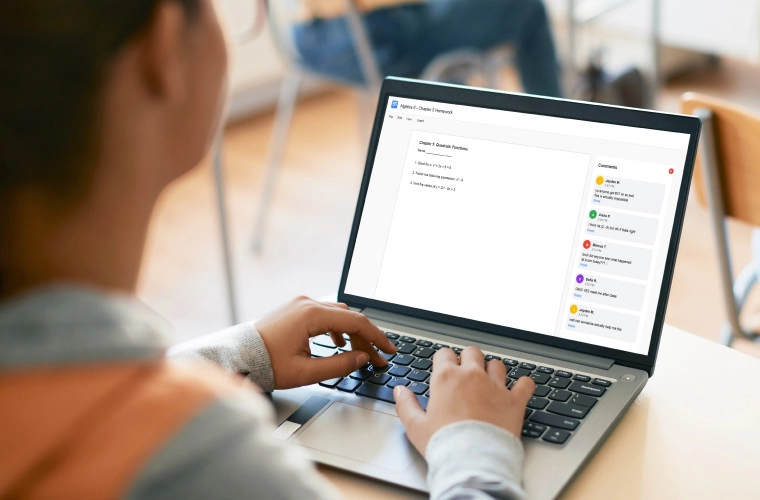
Student voice is one of the strongest early indicators of risk, and systems must be designed to listen at scale — not just respond after something happens.
How Bark fits into their safety ecosystem

Early risk identification for incidents
Bark serves as a preventive layer, surfacing early warning signs that help Littleton intervene before situations escalate into crises.

Human-led response framework
Littleton intentionally paired Bark with trained staff who assess alerts, build trust with students, and coordinate appropriate responses.

Integrated safety infrastructure
Bark complements existing safety protocols, helping bridge gaps between prevention, intervention, and postvention.
Key implementation takeaways for other districts
- Put the right people in the right roles: Monitoring student safety requires emotional skill, context, and care, not just technical access
- Shift the mindset from “mental health as a crisis response” to mental fitness as an ongoing practice, reducing stigma and strengthening long-term student well-being
- Develop a safety strategy that is adaptable, student-centered, and capable of evolving in response to changing technology and behaviors

Why this matters for districts considering change
Littleton’s experience shows that adding Bark isn’t about redundancy — it’s about closing critical gaps, strengthening early intervention, and giving teams the confidence to act sooner and more effectively.
For districts evaluating new tools or updating safety policies, Littleton offers a practical, proven example of how to build a proactive, human-centered safety ecosystem — with Bark as a foundational component.
Helpful resources
WEBINAR
Practical Steps for Mitigating Risk for You and Your District
CASE STUDY
From Awareness to Recovery: A Whole-Child Safety Approach
takeaways
How one district built a proactive safety strategy after crisis
Real experiences, real impact
“We already had safety measures in place, but Bark filled a gap we didn’t even realize was there. It helps surface early warning signs that other tools can miss and gives our team the context we need to respond quickly and thoughtfully. Bark has become an essential element of our student safety puzzle, as it helps to identify risk and support students in all aspects of prevention, intervention, and postvention."
—Jon Widmier, Mental Health Coordinator (High Schools), Littleton Public Schools
Real experiences, real impact
“We already had safety measures in place, but Bark filled a gap we didn’t even realize was there. It helps surface early warning signs that other tools can miss and gives our team the context we need to respond quickly and thoughtfully. Bark has become an essential element of our student safety puzzle, as it helps to identify risk and support students in all aspects of prevention, intervention, and postvention."
—Jon Widmier, Mental Health Coordinator (High Schools), Littleton Public Schools
Want to learn more about Bark?
Bark’s monitoring tool helps support student safety by proactively identifying potential concerns in students’ digital activity.