
Bark devices are now available through Innovation waivers in North Carolina
Safer phones and watches that help young people with I/DD connect, grow, and gain independence.
Featured On:















Three pillars of support
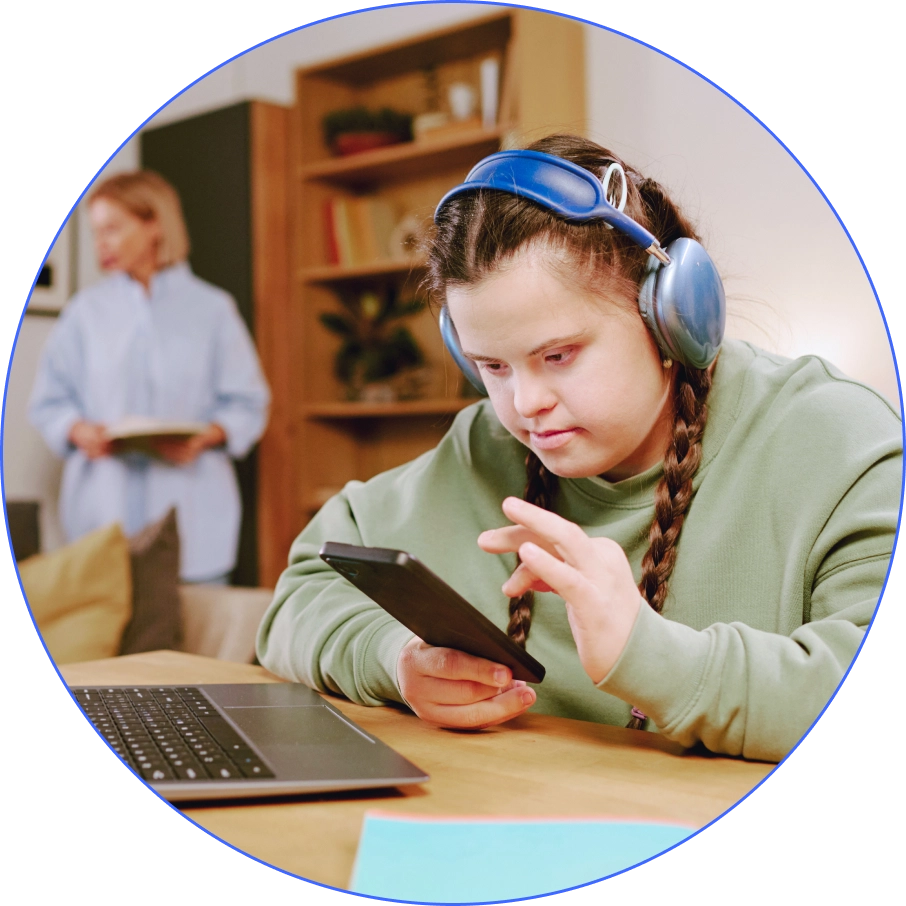
The Bark Phone and Bark Watch create an environment where healthy digital habits can be learned safely, so young people build real independence while staying protected.
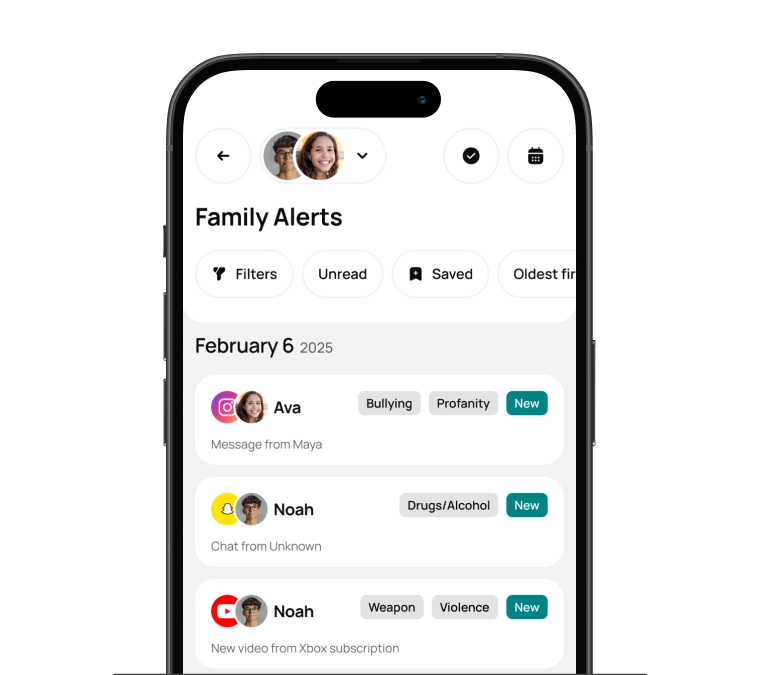
Safe community
participation
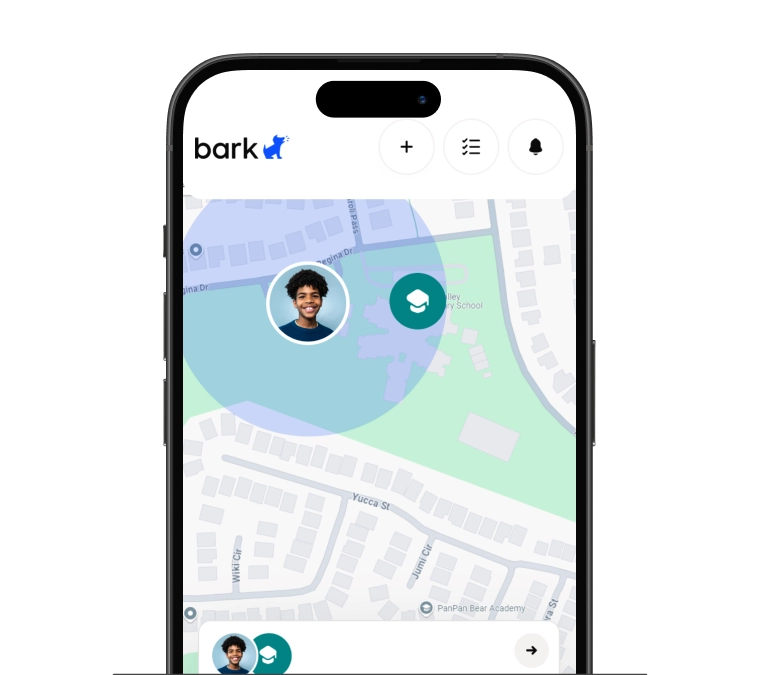
Physical safety &
elopement support
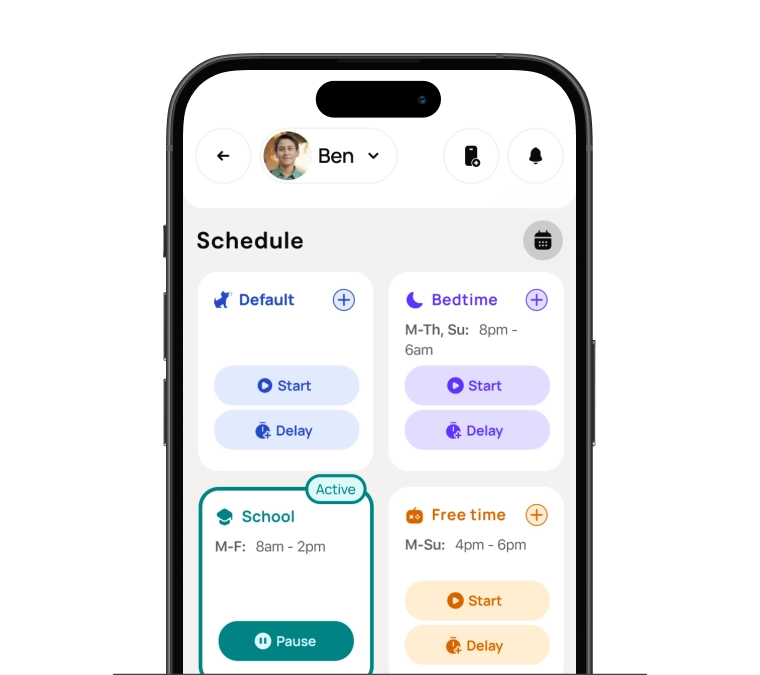
Independence &
self-management

Within six months of using Bark,
91% of families reported improvements, including:
Within six months of using Bark, 91% of families reported improvements, including:
-
55%increased independence and reduced behavioral challenges
-
45%improved social connection with peers
-
27%developed better understanding of social interactions in digital environments
-
27%saw gains in other core developmental areas
Individuals deserve more from assistive technology
Technology should be a tool for connection, autonomy, and growth. With Bark’s safer devices, access and responsibility grow with your child’s skills and needs.
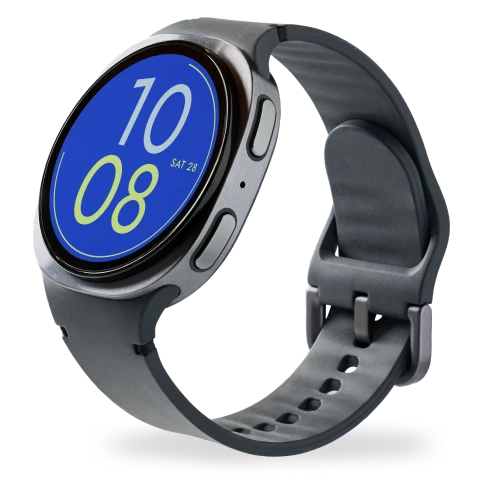
Bark Watch
A simple, focused first device that supports independence in a structured environment.
- Location tracking
- Talk and text with approved contacts only
- SOS feature for emergencies
- Alerts for concerning content in messages
- No internet, social media, or browsers

Bark Phone
A fully customizable smartphone for growing independence, built with safety and flexibility in mind.
- Real-time location tracking with safe zone alerts
- Activity monitoring across texts, images, web, and apps
- Alerts across 30+ categories, including self-harm, bullying, predation, and sexual content
- Flexible screen-time and app controls that expand as skills grow
- Behavioral insights that turn alerts into coachable moments
Watch how Bark helps support safety and independence
Explore online safety tools and resources for
families of kids with I/DD in our monthly newsletter.
How to get started in North Carolina
- Determine fit Discuss whether a Bark Phone or Bark Watch supports the member’s person-centered goals for safety, communication, or independence.
- Include it in the service plan Work with the member’s care team to request the device through the NC Innovations Waiver.
- Connect with Bark If you have questions about documentation, device selection, or next steps, contact Andrea Bucci at andrea.bucci@bark.us.