Unknown Number: The High School Catfish — A Movie Review for Parents
Updated March 3, 2026
Overview
Where to watch: Netflix
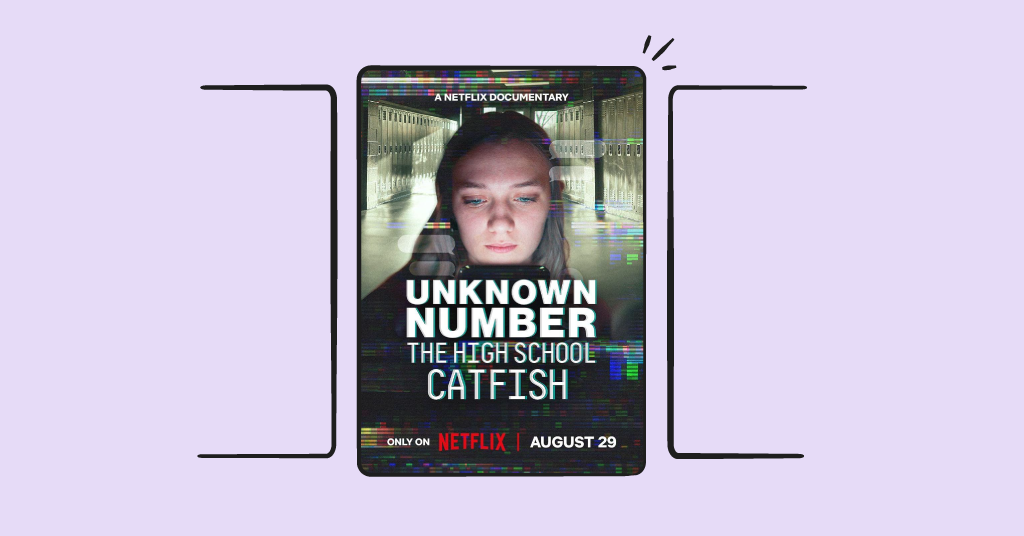
Stories of catfishing and cyberbullying are always sad, but few come close to the appalling tale that came out of a small town in Beal City, Michigan. In October 2020, 13-year-old Lauryn Licari and a number of her classmates started to receive disturbing text messages from an unknown number. These messages escalated to stalking and harassment, lasting for almost two years. After a full police and FBI investigation, the culprit was found to be Kendra Licari, Lauryn’s mother.
This story reached national news and shocked all those who heard it. In 2025, Netflix came out with a documentary interviewing everyone involved, including Lauryn, many of her classmates, their parents, law enforcement, and even Kendra herself.
So, should kids watch this documentary? Some argue that it provides an opportunity to discuss important topics with your child, like what to do if they experience cyberbullying. But given the intensity of this particular story, we want to make sure you’re equipped with the details so you can make the best decision for your child.
Harmful Content ❗️
Parents should know that this documentary sheds light on a devastating and complex story that even some adults have difficulty hearing or understanding. It shows the real messages that were sent to the teens, and these messages are hard to digest (detailed more below). But given the fact that these messages were sent from a mother to her own daughter, it’s even more unthinkable.
The documentary speculates why the mother might have done this — perhaps it was a manifestation of Munchausen syndrome by proxy or due to past trauma. Kendra herself speaks to her actions and says that “every single one of us makes mistakes” and that “I [Kendra] was somebody different in those moments.”
Again, this is a hard thing for an adult to wrap their mind around, let alone a child or teen. So if you let your child watch this, make sure you’re available to answer questions or have conversations with them if they have trouble processing it.
Language
The harassing messages sent to the teens used very foul words, including “f*cking,” “sk*nk,” “b*tch,” “wh*re,” and many more. These messages aren’t censored (visually or audibly).
Sex
Aside from the expletives, the language includes very sexual content. Some messages detailed sexual acts in vulgar terms. Additionally, one of the adults interviewed discusses her past trauma of sexual assault. This is not discussed in any detail, but it is mentioned.
Violence
The messages do get violent, including death threats and encouraging the teen to die by suicide. Some of the teens who were victims of this harassment share that they experienced suicidal thoughts and feelings.
Positive Value 💫
Given how rare this particular case was, it’s worth noting that this film may not be the best example to use if you’d like to teach your kids about internet safety. However, parents could still use it as an opportunity to remind kids of the potential risks that come with the internet. This was a clear example of how the anonymity of the internet was weaponized and used to hurt others. Additionally, it serves as a warning of the emotional and legal consequences of cyberbullying.
So, should my kid watch it?
Our best advice is to watch it yourself to truly know if this is something that would be beneficial for your child to watch. That being said, we don’t recommend this for kids under 15. If you do let your older teens watch this, be sure to pair it with conversations about how they felt and what they took away from the story.