
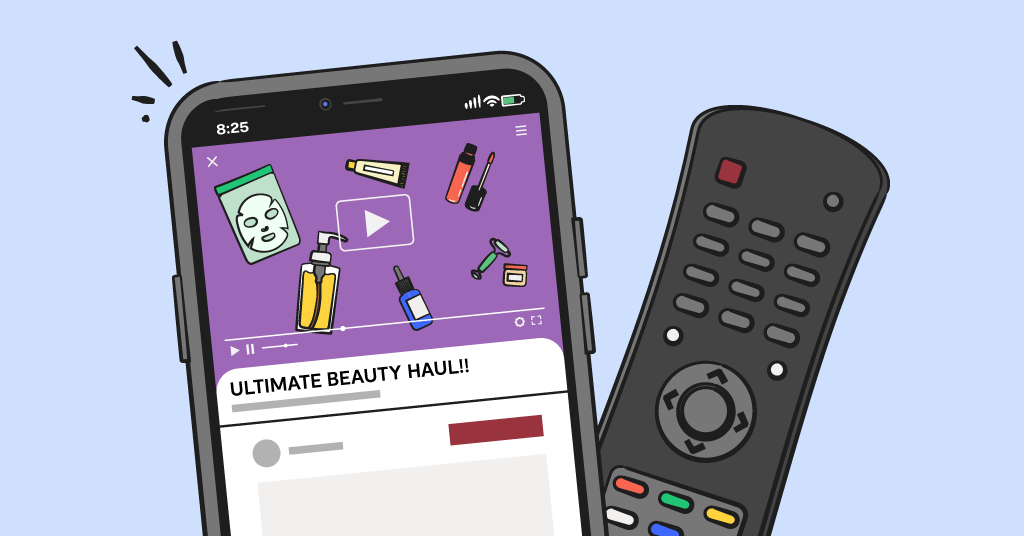
Not long ago, kids’ screen time meant flipping through channels and watching whatever happened to be on. Today, many kids rarely watch traditional television at all. Instead, they gravitate toward YouTube—often choosing it over cable, streaming services, or scheduled programming. When parents wonder why kids prefer YouTube over TV, the answer has less to do with rebellion and more to do with design.
When comparing kids watching YouTube vs television, researchers find that YouTube offers something TV never could: bite-sized hooks, control, and constant novelty. Understanding why kids love YouTube and the growing YouTube influence on children is a crucial first step before setting limits that actually stick.
YouTube Feels Personal in a Way TV Never Did
Unlike traditional TV characters, YouTube creators speak directly to their audience. They look into the camera, share their daily lives and respond to comments, creating a sense of intimacy that scripted TV rarely offers. For kids, this can feel less like watching a show and more like hanging out with someone they know.
Child development experts note that children are especially drawn to parasocial relationships—one-sided emotional bonds with media figures—because they feel safe, predictable, and validating. Plus, a still-developing brain means younger audiences may struggle to distinguish between genuine friendship and online performance, making creator content feel deeply relatable and trustworthy.
Short-Form Content Matches Kids’ Attention Patterns
Most YouTube content for kids is short, fast, and easy to jump into. Instead of committing to a 22-minute episode, kids can watch a five-minute clip, switch to another, and keep going without much effort. This “snackable” format aligns closely with how kids naturally explore content—especially when they’re tired, bored, or seeking quick entertainment.
A 2025 report from Common Sense Media found that children ages 8-11 spend more time on short-form online videos than any other type of screen media, surpassing traditional TV viewing. The constant novelty keeps kids engaged and makes stopping harder than it used to be.
Kids Feel in Control on YouTube
Traditional TV is passive: you watch what’s on, when it’s on. YouTube flips that dynamic. Kids can choose exactly what they want to watch, skip content they don’t like, and instantly switch videos if they’re bored. That sense of control is especially appealing at an age when kids are seeking more independence in other areas of life.
Interactive features like likes, comments, and live chats further reinforce that feeling of agency. Even when kids aren’t actively commenting, knowing they could participate makes YouTube feel more engaging than television ever did.
The Algorithm Keeps Them Watching
One of the biggest differences between YouTube and TV is the algorithm. YouTube quickly learns what a child watches, replays, and clicks, and serves up more of the same. This personalization fuels the “just one more video” effect, where stopping feels unnatural or disappointing.
Researchers at Pew Research Center note that algorithm-driven platforms increase time spent by continuously anticipating user preferences, especially for younger viewers who may not yet have strong self-regulation skills. Unlike TV, which ends when a show is over, YouTube rarely gives kids a natural stopping point.
What This Means for Parents
Because YouTube works differently from TV, it often requires different rules. Time limits alone may not address the biggest risks. Content awareness — what kids are watching, who they’re watching, and how often certain themes appear — matters just as much as duration.
YouTube also blurs the line between entertainment and influence. Sponsored videos, subtle product placements, and creator endorsements can be difficult for kids to recognize as advertising. Studies show that children under 12 often struggle to identify persuasive intent, making them more vulnerable to influencer marketing than traditional commercials (Federal Trade Commission, 2023).
Teaching kids to think critically about what they watch—asking questions like “Why do you think they’re recommending this?” or “What is this video trying to sell?”—helps build media literacy skills they’ll need long-term.
How Bark Can Help
YouTube doesn’t have to be off-limits to be safer. Bark helps parents monitor YouTube activity across devices, giving insight into the content kids are engaging with—not just how long they’re watching. Alerts can flag concerning themes, allowing parents to step in when needed without hovering over every click.
Sources
American Academy of Pediatrics (2022). Media and Young Minds
Common Sense Media (2023). The Common Sense Census: Media Use by Kids
Pew Research Center (2023). Teens, Social Media and TechnologyFederal Trade Commission (2023). Advertising and Marketing to Children
Federal Trade Commission (2023). Advertising and Marketing to Children
Read more
Bark helps families manage and protect their children’s digital lives.
