

On the surface, your kid’s school might not look that different from the one you grew up in. There’s still a drop-off line, lunchtime table drama, cliques, and Friday night football games. But a closer look reveals how school has changed over time, big shifts that not only affect how your child learns and grows but also how they socialize and make their way in the world.
The changes in education for kids today might be difficult to see from the outside — and good luck getting your teen to let you in on the secrets — but knowing how school is different today can help you provide better support. Below, we break down the modern school experience, diving into five major ways that school is different today, what that means for parents, and, because we’d never leave you hanging, how Bark can help.
Technology Is Now Central to Learning
Chalkboards and overhead projectors have been replaced by learning management systems, shared documents, and school-issued devices. According to the National Center for Education Statistics, more than 70% of public schools report teachers regularly using technology for core classroom tasks, and 45% of schools provide a computer for every student. In many districts, assignments, grades, textbooks, and even classroom discussions live entirely online.
That shift has real benefits: instant access to information, personalized learning tools, and the ability to collaborate in real time. But it also has its drawbacks. School-issued laptops, tablets, and Chromebooks move between home and school each day, making screen time a built-in part of learning rather than a separate activity. And staying on top of assignments now involves tracking multiple platforms and digital deadlines.
Communication Happens Online, Not in Notebooks
Apart from learning, personal technology now lives in students’ hands throughout the school day. Most kids receive their first smartphone between the ages of 10 and 13, putting constant communication in place before high school even begins. And those phones aren’t staying in backpacks despite teachers' best efforts. According to a recent survey by EdWeek, around 97% of students aged 11 to 17 use their cell phones for 40-70 minutes during the school day. Paper notes are also a relic of years past. What’s the new thing? Group chats. Group chats for classes, friend groups, and social events are created at the drop of a hat and keep students constantly connected and commenting on what’s happening in real-time.
For parents, the shift is just as dramatic. Permission slips and classroom newsletters now live in apps and online portals. That means fewer lost papers and faster access to grades and feedback, but with information scattered across multiple platforms, “checking in with school” can become a complicated game of remembering logins.
Homework and Studying Look Completely Different
Homework no longer lives in a worksheet or a single textbook. Assignments are posted and submitted through digital portals, group projects happen in shared documents, and studying often means watching recorded lessons or using interactive platforms.
That shift makes collaboration easier and gives students flexible access to class content, but it also ties academic success directly to screen time and reliable technology at home. At the same time, the rapid rise of AI tools is reshaping how students work. A 2025 survey found that over half of high school students are using GenAI tools for schoolwork to brainstorm ideas, edit or revise essays, or conduct research. While schools are still defining what counts as appropriate AI use, more school laptops and learning apps can make it harder for parents to cap screentime and help kids fully unplug.
Social Dynamics Extend Beyond School Hours
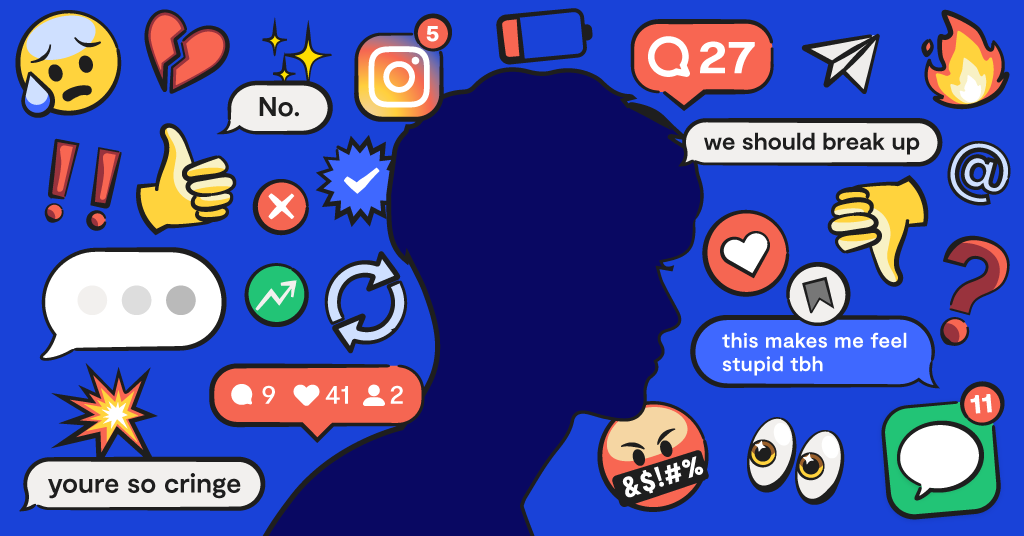
Conflicts that once ended at dismissal can now replay for hours in digital spaces. Group chats, texts, and social platforms keep kids connected around the clock. That constant connection can help kids feel included and maintain friendships across busy schedules, but it also means school problems and stress can follow them home. According to Bright Path Adolescent Mental Health, 26.5% of U.S. teens report being cyberbullied in the past year, with incidents often involving screenshots, exclusion from group chats, and rumors that spread quickly online. Because these interactions happen on devices, they’re harder for kids to step away from and harder for parents to see.
Mental Health Is More Openly Acknowledged
Today’s students face an onslaught of academic pressure, social comparison, and digital overload in ways previous generations did not. The Centers for Disease Control (CDC) reports that more than 4 in 10 high school students say they feel persistently sad or hopeless, but are unlikely to confide in a parent. To help, schools are increasingly offering counseling services, social-emotional learning programs, and dedicated wellness initiatives. In the 2024-2025 survey of US public schools, 97% offered at least one type of mental health service to their students, from individual counseling (84%) to external referrals (67%). The hope is that this increased openness gives students language for what they’re experiencing and more pathways to ask for help.
What This Means for Parents Today
Staying involved in your child’s education now requires digital awareness as much as academic support. Knowing which platforms your child uses for school and how they communicate with friends is now a part of everyday parenting. The goal isn’t to monitor every interaction, but to understand the environment they’re navigating so you can step in when support is needed and step back as they build independence.
How Bark Can Help
Because so much of school life now happens on devices, many of the challenges students face show up there first. Bark helps parents stay informed by monitoring texts, email, and 30+ apps and platforms for signs of cyberbullying, concerning content, and safety issues, and sending alerts when something needs attention. See how Bark’s suite of parental control products can help you and your kid as you navigate the modern school experience together.
Read more

Bark helps families manage and protect their children’s digital lives.