
“Do as I say, not as I do” doesn’t work especially well when there’s a phone involved. Kids are the ultimate imitators, and they notice when you check notifications during dinner, scroll while watching TV, or reach for your phone rather than staying in the moment. And while no parent is expected to be perfect, the way you use technology can have a big influence on how your kids learn to use it, too.
The good news? You don’t have to swear off your phone completely to model healthy screen time habits. Like any other healthy habit, it’s all about balance and making small, realistic changes. Below, we offer up seven simple ways to model healthier screen habits for the whole family, plus a few ways Bark can help make sticking to them easier.
1. Give Your Attention Some Breathing Room
You may not be checking your phone, but even if it’s sitting next to your plate lighting up with notifications, part of your attention is still being pulled elsewhere. A recent study found that interactions (especially meaningful conversations) were rated as less fulfilling and empathetic when a mobile device was present. Today’s kids quickly pick up on this divided attention, with half of teens (46%) reporting that their parent is at least sometimes distracted by their phone when they are trying to talk to them. Want to foster better conversation? The American Academy of Pediatrics (AAP) recommends creating screen-free spaces and times, including meals and bedtime, to make room for real connection.
Try this: Park everyone’s devices, including yours, in a basket for dinner tonight.
2. Make Your Screen Use Less Mysterious
When your kid sees you looking at your phone, they can see what you’re doing, but not why. Checking a school email, paying a bill and scrolling Instagram all look the same from across the room. Giving your kids a little context makes the invisible part of healthy tech use visible. It shows them how to pick up a device for a specific purpose, use it for that purpose, and put it back down when they’re done. Over time, that can help kids understand the difference between intentional screen use and reaching for a phone simply out of habit.
Try this: The next time you reach for your phone around your child, briefly say what you’re using it for. “I’m checking the weather” or “I’m looking to see what time the store closes, then putting this away” not only puts phone use in perspective for your child, but can also keep you on task.
3. Give Yourself a Rule to Follow, Too
Believe it or not, you aren’t the only parent who struggles to put your phone down. In a 2025 Pew Research Center survey, 65% of parents with kids under 12 admitted they spend too much time on their phone. Actually cut back this year by ditching the vague “use my phone less” goal, in favor of one boundary your kids can actually watch you keep.
Try this: Choose one daily 30-minute window when you won’t use your phone, and stick with it for a week. That could mean leaving your phone in another room after you get home from work or waiting until after breakfast to check social media.
4. Put Everyone at the Table When You Make the Rules
Every family is unique, so every family tech contract should be unique too. Before creating a strict set of rules and restrictions, try opening up the conversation to your kids. The AAP points out that kids and teens are often more receptive to reasonable limits when they have a voice in shaping them. Start with the situations that cause the most friction in your house, decide what feels fair and make sure some expectations apply to adults as well as kids.
Try this: Have everyone suggest one family tech rule, agree on your favorites, and post them somewhere visible. Unsure where to start? Check out these real examples of family tech agreements that work.
5. Take the Photo, Then Get Back in There
There’s no need to feel guilty about wanting pictures of your kid’s birthday, first day of school, or winning goal. It’s great to have memories to look back on and share with others. But documenting everything can come with a tradeoff. Research has found that people remember photographed experiences less precisely than experiences they simply observe. And with today’s seemingly endless camera rolls, taking the picture is often only the beginning. Taking photos with the intention of sharing them can also reduce engagement and enjoyment in the actual experience.
Try this: At your next family outing, snap a few photos at the beginning and then put your phone out of reach before you start reviewing, editing, or sharing them.
6. Let Your Kids See You Hit Reset
One of the most useful things you can model isn’t perfect phone behavior, but a willingness to critique your habits and change. Catch yourself checking your device during a conversation with your teen? Rather than ignoring your slip-up, the AAP encourages parents to acknowledge it and reconnect with their child. Doing so sends a much more useful message: Digital habits aren’t fixed, and grown-ups have to work on theirs, too.
Try this: Tell your child about one phone habit you’re trying to change, and let them catch you doing it right or wrong.
7. Make Offline Life Worth Putting a Phone Down For
If putting down a screen only feels like giving something up, kids are less likely to see the upside. Make space for offline activities your family genuinely enjoys, whether that’s a walk, game night or cooking together. The benefits extend beyond quality time; one randomized clinical trial found that reducing leisure screen use improved psychological symptoms among children and teens.
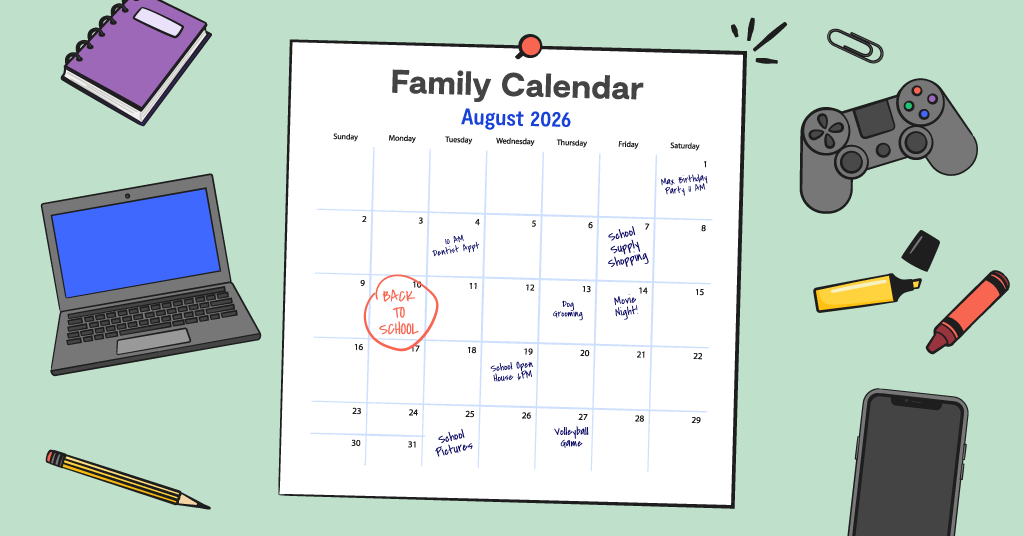
Try this: Pick one screen-free activity your family already enjoys and put it on the calendar as a weekly tradition. Setting it in stone makes it harder to back out of and easier to look forward to.
How Bark Can Help
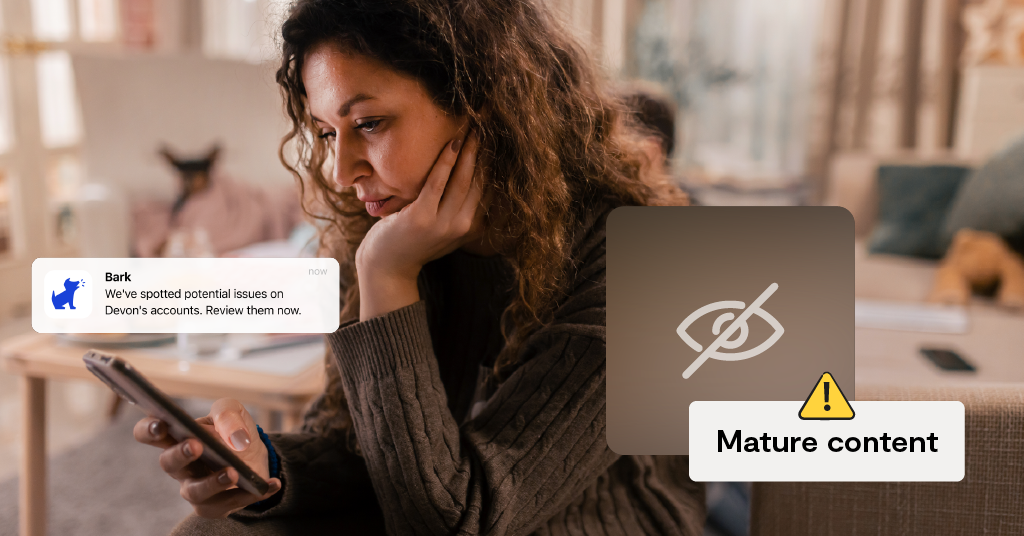
Bark can help take some of the mental load off digital parenting, giving you more freedom to model the balanced tech habits you want your kids to build. By monitoring texts, email, and 30+ apps and platforms for signs of cyberbullying, concerning content, and other safety issues, Bark helps you stay informed and off your screen. Explore Bark’s products and tools to find what might work best for you and your family.
Read more

Bark helps families manage and protect their children’s digital lives.