

After years of debate and discussion, 2025 has seen the largest increase in school phone bans to date, with more than a dozen states now officially restricting cell phone use. For years, we’ve all wished for something like this, but now that it’s a reality for many families, parents and teachers are wondering if it will finally bring some relief from the endless distractions.
But now that it’s here, the reality is a little more complicated. What does a phone ban actually look like in practice, and how are students, teachers, and families adjusting? We’ll dive into the details in this blog post.
Why Schools Are Turning to Phone Bans
You probably don’t have to be told why phone bans are finally starting to become common practice around the country. From distractions during lessons to text messages scheduling fights at lunch, phones create daily challenges that teachers struggle to overcome. When you add in social media drama, constant notifications, and the temptation to cheat during tests, it’s easy to see why these bans are becoming more and more prevalent in districts around the country.
It’s important to remember that teachers are often the ones stuck policing phone use, and it can be a battle that pulls time and energy away from actual teaching. For many schools, banning phones feels like the only way to give kids a chance to focus and give teachers a chance to actually teach. But while the idea may sound simple on paper, what it actually looks like in practice is another story.
What Recent Phone Bans Look Like in Practice
Bell-to-bell bans
Some schools and districts have implemented strict “bell-to-bell” bans, which require students to keep phones away for the entire school day. This can cut down on scrolling and messaging while learning, but it also means students have no access even at lunch or during free periods.
Yondr pouches
If you’ve been to a concert lately, you might’ve seen Yondr pouches in action. They’re magnetically locked fabric cases that hold phones until an unlocking station releases them at the end of the day. More schools are trying this method to ensure phones stay out of sight and out of mind. The only drawback? Kids are figuring out ways to break open the pouches or ordering high-powered magnets that unlock them.
Charging stations / Phone cubbies
Other schools and districts have implemented a sort of middle ground: Kids can have their phones at school, but while in class, they have to be put aside into charging stations. The results of this method seem to be mixed, as some kids put burner phones into their cubbies and keep their actual phones at their desks. Also, kids can still get distracted in between classes and at lunch, and this can bleed over into instruction time.
The Parent Perspective and Potential Drawbacks
While many parents in theory are supportive of phone bans, when it comes to actually managing daily life without their child having access to their devices, it’s a different story. Here are just a few of the things parents are concerned about.
No contact in emergencies
This one’s arguably the most important thing parents are concerned about when it comes to banning phones. Parents want to be able to message their kids in stressful situations that range from adverse weather to school shootings. When phones are out of reach, it can delay communication and connection. Advocates of phone bans acknowledge this reality, and in defense argue that phones only cause more danger and stress in emergency situations.
Older kids with responsibilities are experiencing limitations
Phone bans for middle schoolers affect kids a lot differently than phone bans for high schoolers. Older kids are driving, have afterschool sports and extracurricular activities, work part-time jobs, and may even be taking college-level classes off campus. Limiting phone use during the day can hinder how older kids communicate with teachers, bosses, and coaches.
Scheduling is a mess
For years, nearly everything school-related has been online — from homework assignments to class announcements and extracurricular sign-ups. Now, with phone bans in place, students, teachers, and parents are having to navigate schedules the old-fashioned way, turning to paper notes, planners, and verbal reminders. It’s a big adjustment, and what used to feel simple — checking your phone for a quick update — now requires extra planning and communication. While this isn’t the end of the world by any means, it’s definitely a change that’s taking some getting used to.
Missed opp ortunities for using tech responsibly
Phone bans may reduce distractions in the classroom — and that’s definitely a good thing! — but they also take away the chance for students to learn how to use technology responsibly. When devices are completely off-limits, kids don’t get guided practice managing notifications or handling group chats in a healthy way. Without this opportunity, students may leave school less prepared to make smart, safe choices when they finally have unsupervised access to their devices at home or in college.
Finding Balance with Tech Using Bark
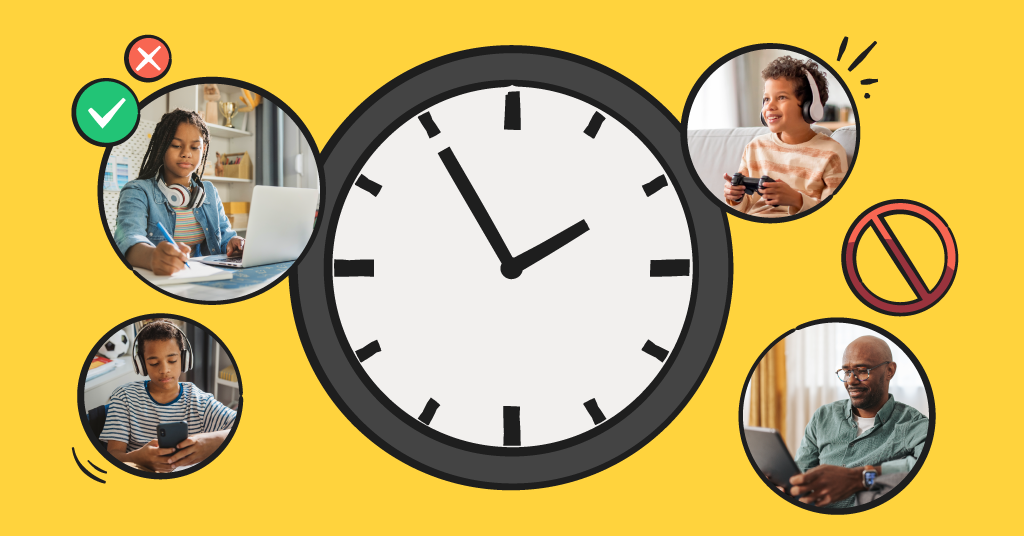
At the end of the day, if your child’s school is enforcing a school ban, there’s not much you can do about it — and that’s okay. Fortunately, you still have the opportunity to manage how your child uses technology during the rest of the day.
With tools like the Bark Phone and Bark Watch, parents can set healthy screen time limits, monitor for potential dangers, and guide kids toward safer, more responsible use of their devices. Bark gives families the control and visibility they need at home, so kids can learn healthy habits without missing out on the benefits of technology.
Read more
Bark helps families manage and protect their children’s digital lives.