
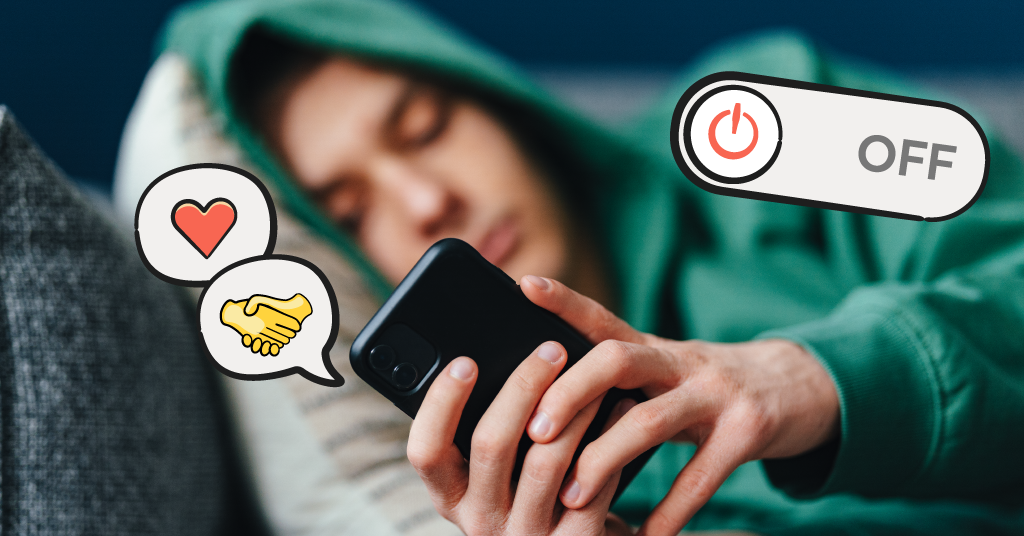
“Just turn off the phone” has become the modern version of “just go outside and play.” While well-meaning advice, it’s often out of step with how teens live today. For many parents, it can feel like phones have a stronghold over their kids, bordering on addiction. But the reality is, teens aren’t choosing screens over real life; in many ways, their device is where life is happening. Below, we delve into why teens struggle to disconnect and what parents can do to help teens build healthier digital habits beyond powering down.
Why Teens Struggle to “Just Turn Off the Phone”
Phones Are Social Lifelines
For today’s teens, phones function less like optional tech and more like a direct line to their social world. Texts, Snap streaks, DMs, and group chats keep conversations moving all day long, often across multiple platforms at once. What may look like mindless scrolling is usually active participation in friendships, plans, and social dynamics that rarely pause.
Step away for a bit, and inside jokes evolve, plans shift, new tensions or connections form. And during the teen years, when friendships and social standing feel especially important, those small moments can carry real emotional weight. It’s no surprise that, according to Pew Research, teens say not having their phone at least sometimes makes them feel anxious (44%), upset (40%), and lonely (39%).
Apps Are Designed to Keep Teens Hooked
Beyond social connection, today’s apps are also designed to keep teens scrolling. Features like infinite scroll, autoplay, and constant notifications remove natural stopping points, making it easy to keep going without realizing how much time has passed. Behind the scenes, algorithms are learning what teens like, then feeding them more of it in a continuous loop designed to keep them engaged for as long as possible.
Today’s apps and algorithms go so far as to tap into your biology. Studies have found that frequent social media use can activate the brain’s reward system — releasing dopamine in ways that reinforce repeated behavior and, over time, can create dependency patterns similar to other addictive behaviors.
“Just Turn It Off” Ignores Emotional and Social Needs
For teens, the urge to stay connected isn’t just a preference, it’s developmental. During adolescence, the brain is especially attuned to social feedback, with peer approval and belonging carrying heightened emotional weight. Taking away this connection abruptly can feel less like setting a boundary and more like cutting them off from their social safety net, which can lead to frustration, anxiety, or even conflict at home.
That’s why all-or-nothing approaches tend to backfire. Guidance from the American Academy of Pediatrics emphasizes the importance of balance and open conversation over strict restriction, encouraging parents to help teens build healthy habits rather than forcing disconnection. When teens feel understood and involved in setting boundaries, they’re more likely to cooperate and less likely to see limits as punishment.
Warning Signs Your Teen Is Overwhelmed
Digital stress isn’t always obvious, but it often shows up in small shifts over time. You might notice mood changes after time on their phone, constant checking for messages, pulling away from offline activities, trouble winding down at night, or becoming more reluctant to talk about what’s going on.
How Parents Can Help Build Better Digital Habits
If “just turn it off” doesn’t work, what does? While figuring out what’s right for your child may take some trial and error, these small shifts can make a big difference:
- Set boundaries together. Involve your teen in creating realistic screen time guidelines so they feel some ownership, not just restriction. This can make them more likely to stick to the plan and less likely to push back.
- Create natural “off” moments. Think phone-free meals, car rides, or wind-down time before bed. Over time, these moments can start to feel normal rather than forced.
- Focus on balance, not bans. Encourage offline activities they actually enjoy, rather than forcing breaks that feel like a loss. When something feels rewarding in real life, it’s easier for screens to take a back seat.
- Keep conversations open. Check in regularly about social pressures, how they feel when they’re away from their phone, and what feels overwhelming or urgent. Talking it through can help take some of the intensity out of needing to always be on.
- Model it yourself. Just like many other parts of parenting, what you do often speaks louder than what you say. Stick to the healthy boundaries you set with your teen so they can see them working for you, too!
How Bark Can Help
If “just turn it off” isn’t working, you’re not alone, and you don’t have to figure it out on your own. Bark helps take some of the guesswork out of managing your teen’s digital life by alerting you to potential concerns and giving you tools to guide healthier screen habits. Explore Bark’s suite of products to find what works best for your family.
Read more

Bark helps families manage and protect their children’s digital lives.