
 Kids and Technology
Dangers of Sharing Location: Why Gen Z is Sharing Their Location With Each Other
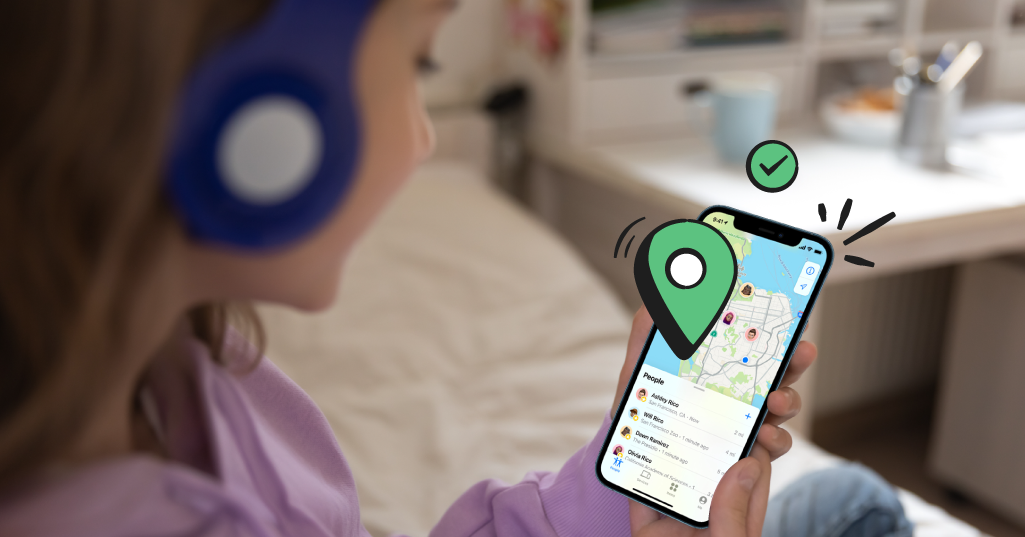
There’s a new trend among Gen Z that is throwing parents for a loop — teens are using apps like Life360, Find My, and Snapchat (through the Snap Map feature) to share their locations with their friends. It’s now common practice for kids in a particular friend group to share their locations indefinitely so they can know where everyone is at all times. Location sharing is sometimes a battle between parent and kid, but just between Gen Z? That’s the new normal. But what are the dangers of sharing location?
This is something that we definitely didn’t grow up with this as part of our friendships. If your friend didn’t answer their home phone or your IM, that was the end of the story. But our kids can check their friend’s Snapchat, Instagram, BeReal, and see their exact location if they don’t get a response.
If you’re feeling uneasy about this, you’re not alone. So we’re going to discuss everything parents need to know about the dangers of sharing location, as well as why kids may feel the need to partake. We hope this helps give you a firm understanding of the trend and some next steps to consider for your child's safety.
Why Share Your Location?
While this may seem strange at first, it’s no different than how social media works. We go on Instagram, Facebook, and Snapchat cause it’s fun to see what your friends are up to. And location apps let you see where your buddies are at any given time. It also makes planning hangouts more convenient — if you can see that your friend Jesse is at dance practice, you know she can’t go to the movies right now, so no need to text her and wait for a response.
Location sharing among friends can also be used for the same reasons parents use it for their kids — for safety reasons. This is particularly true among college-aged kids. After a night out or when you’re on a date with someone new, it can bring peace of mind that your friend can see your location and know that you made it home safely.
It’s also worth noting that kids may feel pressured to participate even if they don’t want to, simply because it’s a trend. It could be seen as offensive or even a betrayal if a friend decides not to share their location. So understandably, kids may choose to do so to avoid tension with their friends.
What Are the Dangers of Sharing Location?
Privacy violations
The obvious concern with this trend is privacy. Your location is one of the most dangerous pieces of information about yourself if it’s in the wrong hands. Unfortunately, convincing kids to share their location is a common grooming tactic we’ve seen before. That’s why kids should know to never share their location, the school they attend, or any other location-specific information with strangers online.
But even sharing location with friends can be a privacy concern. Social media already blurs the lines of what personal information is appropriate for others to know, and this trend is another example of that. Especially with kids, they may not have the maturity to know which friends they can actually trust with that information. On the flip side, kids may not be mature enough to use that information responsibly.
Drama inducer
Location sharing can easily feed into or even create unnecessary drama between friends. Whether intentionally or unintentionally, location sharing can be very exclusionary and be a huge source of FOMO. Kids can see their friends all hanging out at places and they immediately know they weren’t invited.
If it’s not FOMO, there are still tons of other drama situations that can come out of always knowing your friend’s location. There are a whole lot of assumptions to be made about seeing where someone is at a certain time. If you see your friend is in your crush’s neighborhood, that could be your worst fear – or it could be absolutely nothing. Suddenly, you’re worrying about something that, without having this piece of information, would’ve been a non-issue.
How Do I Talk To My Kid About This?
These concerns may seem logical to you, but possibly not for teens. As a teen, your friends become more and more your priority, so it only makes sense that you want to share everything with them. But as parents, it’s our job to watch out for their blindspots and give them the tools they need to navigate them.
The best thing is to start with questions. Why do they think they should share their location with their friends? Why do they feel they need to know their friend's locations? Do they actually want to or do they feel pressured? Try to ask these, not as an interrogation, but simply to help them explore the reasons behind their actions.
Then, you can explain your concerns and why you feel location sharing may not be in their best interest. There’s a high likelihood that they won’t see your side of things right away, so be prepared to have the conversation a few times before they see the potential issues themselves.
Track Your Child’s Location Safely With Bark
If you feel it’s important to track your child’s location but don’t want to give them an app they could use to do the same with friends, Bark can help! Bark’s child location tracker feature allows you to keep tabs on your child’s location using real-time GPS tracking, and kids can’t use it to track their friends. With Bark, you can also block apps such as Life360 and Snapchat to ensure they aren’t sharing elsewhere.
Bark also offers award-winning content monitoring to help parents stay in touch with their child’s online world, without having to search through hundreds of messages themselves. If your child is struggling with something like cyberbullying, predation, or mental health issues, we’ll send you an alert. Sign up today to start a free, 7-day trial!
Read more

Bark helps families manage and protect their children’s digital lives.
