 All
All
5 Questions with The Family IT Guy: What a Cybersecurity Expert Actually Does to Protect His Own Kid
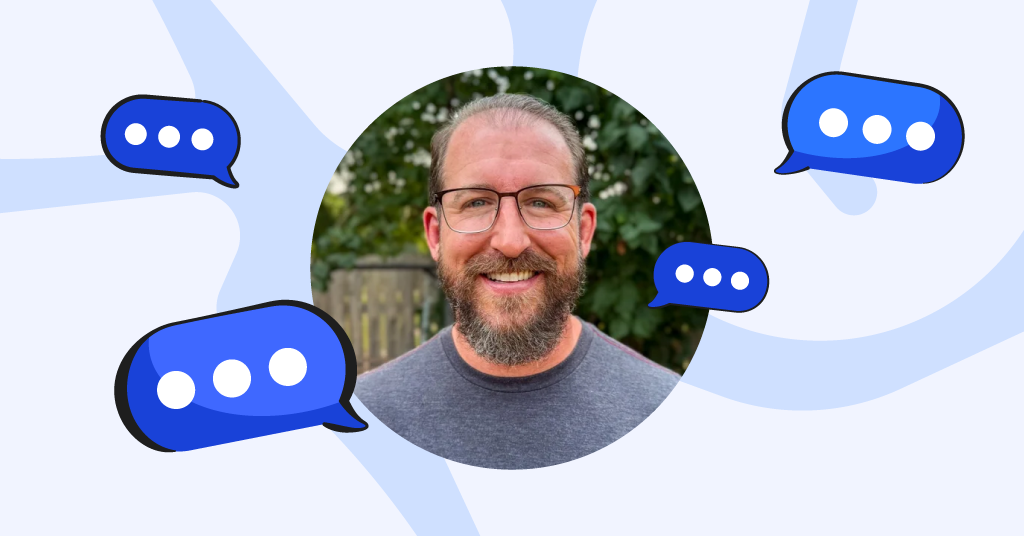
Most parents hand their kids a device without a second thought, but Ben Gillenwater has spent 30 years thinking about exactly what's on the other side of that screen. Today, through his community Family IT Guy, he helps families understand what's really happening behind the screens and what to do about it.
We sat down with Ben Gillenwater to ask the questions parents are afraid to ask and get the straight answers they need.
You've spent 30 years in cybersecurity, including time working at the NSA level. What did that career teach you about online dangers that the average parent has no idea about?
The thing most parents never get told is who the internet was actually built for.
I spent my career designing and defending large-scale systems, and the lesson is this: the internet wasn't built for you, the individual, private user. It was built for commerce and marketing: to figure out who you are, what you'll respond to, and how to put the right thing in front of you at the right moment.
So when a parent looks at a phone and sees "my kid watching videos," I see a system built to study that child and decide what to show them next. The danger isn't that kids aren't smart enough. It's that they're up against the world's best addiction experts — behavioral psychologists working alongside software engineers to maximize engagement.
The average parent assumes the platform is neutral. It isn't. It has a goal, and that goal is not your child's wellbeing.
When you became a parent, did your professional background make you more or less anxious about your kid being online?
Mostly less anxious, actually. I've spent my whole adult life solving hard problems with computers, so I'm confident I can handle the technical side.
But becoming a parent showed me how many traps hide behind the most innocent-looking names, even apps with the word "Kids" right in the title, made by the world's biggest technology companies.
A hard lesson came when I gave my son an iPad at age six. I put YouTube on it myself. YouTube was a quickly learned mistake, and YouTube Kids was no better. A character called Huggy Wuggy gave him nightmares for months. But even after we stripped the device down to educational apps and kid-friendly games, the device itself was the problem. He'd wake up early and stay up late just to be on it, choosing it over going outside or being with friends. So we took it away completely.
I knew what the business incentives of YouTube were. But I took for granted that they would allow inappropriate content to reach children, especially through a product literally called "Kids." I took for granted how addicting a device could be to a young mind. In hindsight, I realized it was naive to give him the device at all, regardless of the controls I put on it.
Now it's offline fun: board games, card games, and bike rides. Better for his body and his mind.
And the practice that's made the biggest difference for our family is what we call our Sunday Shabbos. My wife suggested it as a way for us to connect: one full day a week with no connection to the outside world. No phones, no internet, ideally no agenda. Just us. It's genuinely the best day of the week, and we look forward to it every time.
What's the online threat you think parents are most underestimating right now?
The algorithm, and the high-stimulus internet it's created. Every feed is tuned to be as stimulating as possible so it's hard to look away, and kids raised on that lose their tolerance for anything slower: a book, a conversation, being bored for five minutes.
But the one I think gets underestimated the most is privacy.
All that "engagement" is fueled by comprehensive data collection, and data collected about you can become leverage over you. In 1942, after the attack on Pearl Harbor, the U.S. Census Bureau handed the personal information of Japanese-American families to law enforcement. Census data were confidential by law — until the President canceled that law. Entire communities of American citizens were forced from their homes at gunpoint, taken by train to internment camps for years, with no due process and no compensation.
That's how fast "we're protecting your data" can turn into "we know exactly where you are, we've decided you're a threat, and you're being imprisoned."
A privacy-first approach — intentionally minimizing what you put on the internet — is how you teach your kids to value and protect their freedom.
What's one thing you'd tell a non-techy parent to do this week that would make a real difference?
No internet in bedrooms.
It costs nothing, and you don't need to understand any technical settings. Pick one spot in a common area — the kitchen counter, a hallway table — and make that where every connected device charges overnight. If someone uses their phone as an alarm, buy a $10 alarm clock. Pro tip: store the devices in something with a lid on it.
Your bedroom is your place of rest. The internet doesn't belong there. The world's problems and other people's thoughts don't need to sleep next to your pillow. They can wait until morning.
Removing devices from the bedroom protects everyone's sleep and everyone's peace. Do it for yourself first, then your kids. When my wife and I moved our own phones out of our bedroom, the very first night felt like being on vacation.
You've built a whole community through Family IT Guy to help parents navigate this. What can families expect when they join?
A straight answer.
What you can expect from me is my honest read of what's actually going on, and my thinking on the most useful next moves, depending on what you're trying to do for your family. I'm building trust with parents so we can start solving these problems together, at scale.
The best place to find me is familyitguy.com — and yes, ironically, on social media too. There are links to all my channels at the bottom of the site.
It's never too late for positive change.
Keep the conversation going, and help keep your kids safe online with Bark
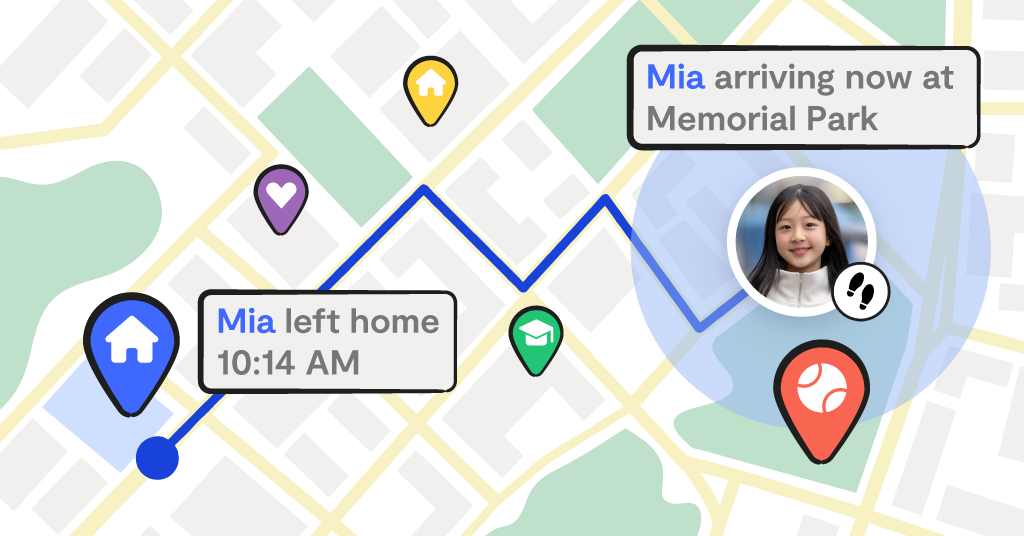
Technology isn't slowing down, but you can give your family the tools to stay ahead. Bark helps parents manage screen time, block harmful content, and get alerts for potential dangers in texts and social media. Check out our products page to learn more about the Bark app, the Bark Phone, the Bark Watch, and Bark Home.
Read more

Bark helps families manage and protect their children’s digital lives.