
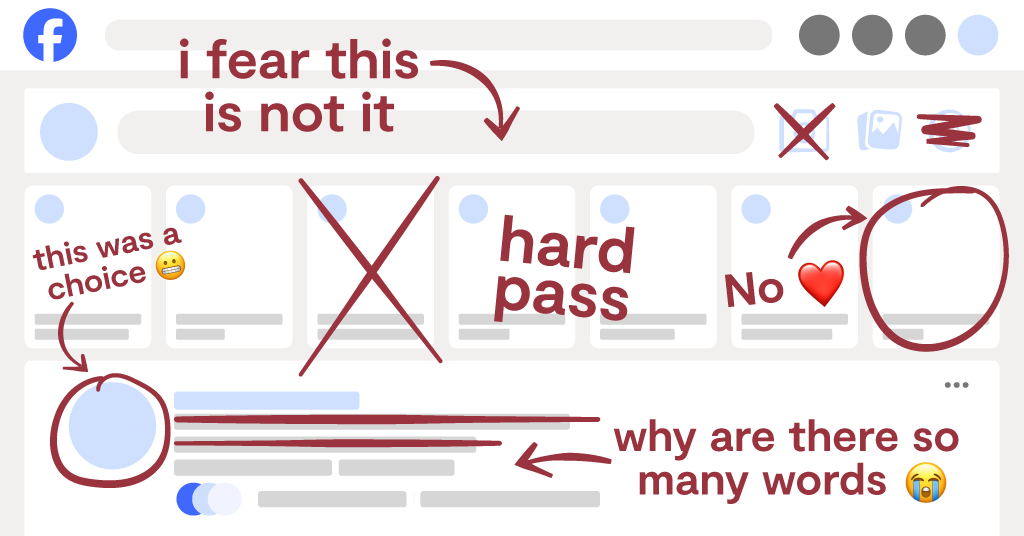
When Facebook first took off, it changed everything. Following someone on Facebook was the new number exchange, relationship statuses were everything, and every moment from school dances to college moves was shared in one public feed. It was a simpler time when millennials were just learning to live out their lives online.
Today, Gen Alpha is growing up in a very different digital world. Facebook’s influence has faded with younger users. It has been replaced by games, group chats and short-form video platforms. These spaces move faster. They are more visual. They feel more personal. As older social networks wane in popularity, parents are left wondering what comes next. And perhaps more importantly, what kind of social space will shape this generation?
Facebook: The Original Social Center
When people ask whether Gen Alpha will have its own Facebook, they’re usually asking about more than a specific app. They’re asking what the new social center will be. Facebook worked because it did a lot of things at once. It was a profile. A feed. A messaging system. It was where friendships formed, milestones were shared, and identity slowly took shape.
For Gen Alpha, that role may not belong to a single platform. Instead of one “digital home base,” social life is spread across multiple spaces. Identity might live in one app. Conversation in another. Creativity somewhere else. Connection still matters. It just looks different.
What Platforms Kids Are Using Now
Most kids today aren’t logging into one social network and staying there. They’re moving constantly between platforms.
- Short-form video apps. Apps like TikTok and YouTube Shorts are quickly growing in popularity among Gen Alpha. Built around quick clips, humor, trends, and visual storytelling, the new generation doesn’t just watch content. They copy it, remix it, and respond to it. Making it just one of many new ways to be a part of an online collective.
- Group chats and private servers. Group chats and private servers are also central to how kids socialize. Instead of posting publicly, they talk in smaller circles on apps like Discord, WhatsApp, and Snapchat. Class chats. Friend group threads. Game-related servers. These spaces feel more personal and less performative.
- Gaming platforms. The billion-dollar gaming industry isn’t just a solo endeavor anymore. With advances in technology and the rise of multiplayer online games, gaming platforms like Roblox and Call of Duty also serve as social hubs. Kids meet friends, talk through headsets, game chat,s and build shared worlds. For Gen Alpha, social interaction and play are often inseparable.
Trends Shaping the Next Big Social Space
Looking ahead, a few clear patterns are emerging across Gen Alpha digital platforms.
- Real-time interaction matters more than polished posts. Kids want to respond, react, and connect in the moment. Polished, static updates feel out of touch and slow by comparison. Kids like live chats, voice notes, and instant reactions. They want to feel like they are part of something happening right now.
- Video continues to replace text. Instead of writing status updates, kids show what they are doing. Filters, clips, and memes say more than paragraphs ever did.
- Social spaces are becoming more immersive. Many blend chat, avatars, games, and more into one experience. The next big social platform may feel less like a feed and more like a shared world.
- Smaller audiences are also becoming more appealing. Instead of broadcasting to everyone, kids often choose spaces where they control who sees and participates. They want to be a part of niche spaces that feel safer and more familiar, not wide open to everyone.
Safety, Privacy, and Age-Appropriate Design
As social spaces evolve, so do concerns for parents. Questions around exposure, privacy, and data use are at the forefront. Who can contact kids? What content shows up? How much information is being collected behind the scenes?
As kids head online earlier and the risks grow, platforms, new and old, are beginning to prioritize age-appropriate design. This includes limited public profiles, stronger moderation, and more parental controls. Regulation is also playing a role. Lawmakers and advocacy groups are pushing for clearer rules around children’s data and safer defaults for young users.
Could a New Platform Replace Facebook for Kids?
It’s possible that Gen Alpha never rallies around a single platform the way previous generations did. Kids want creativity, community, and control. They want spaces that feel fun and expressive. Parents want safety, transparency, and boundaries. The platform that best balances those needs may be spread across multiple apps. Or built into games. Or exist in ways we haven’t fully imagined yet. What’s clear is this: Gen Alpha will still have online spaces that shape how they connect and grow. They just won’t look like the ones we grew up with.
How Bark Can Help
As kids’ social lives spread across more platforms, games, and apps, it becomes harder than ever for parents to keep track of what’s really happening. Conversations happen in group chats. Content shows up in video feeds. Interactions take place inside games and private servers. But before you get overwhelmed, Bark is here to help. Bark makes parental controls easy and helps parents stay informed as kids move between different digital spaces. Explore Bark’s suite of parental control products to find what might work best for your family.
Bark helps families manage and protect their children’s digital lives.