
There may not be an official guidebook for parenting, but there are plenty of books, blogs, and TikToks to keep you busy. There are parenting books on discipline, emotional connection, open communication, and even some that help you develop your overall parenting style or strategy. And while no book or influencer can tell you exactly how to parent, at its best, each is designed to equip you with the skills you need to do the best for your child.
Many of today’s parenting skills are age-old lessons repackaged over the years, but others, like digital parenting skills, are new and evolving with an increasingly digital world. If you want to equip yourself for modern parenting challenges, this dive into why online safety matters for kids, how to hone your digital parenting skills, and how Bark can help is a great place to start. And as most parents know, a great start is the best you can hope for.
Kids Are Online Early and Often
While the internet may have become available to millennials in middle school or later, Gen Z and Gen Alpha are growing up with an automatic online connection. A United Nations brief on children’s privacy reports that more than 80% of children have an online presence by age two, often starting through parental digital footprints. Before turning 13, 81% of kids report having their own device, and by their teenage years, 96% say they use the internet every day.
Even if you’ve joined in on a pod of parents buying landlines for their kids or are finding another way to stave off your child’s internet access, they are still bound to find their way online. This is in part because kids aren’t just using the internet for research papers anymore. Today’s kids' lives are centered online. It’s a place where they play, socialize, and explore more about others and themselves. Even kids without their own device likely have a friend with one or know where to get online.
The Dangers Kids Are Facing Online
As kids spend more time online at a younger age, risks and dangers emerge in new ways that aren’t always obvious. Danger doesn’t just come in the form of “stranger danger” in chat rooms and dark websites anymore. Explicit and harmful content finds its way to almost every corner of the internet, from Instagram to Roblox and other seemingly harmless sites. Bark’s 2025 Annual Children & Technology Report found that 80% of teens encountered nudity or content of a sexual nature online. And the risks don’t stop with explicit content. Predators continue to work their way into gaming culture, social sites, and other places where kids and teens gather online. Seven percent of teens report encountering predatory behaviors from someone online, with grooming and sextortion schemes becoming more sophisticated and harder to spot.
Not only are there outside dangers and predators, but early and wide access to the internet also affects kids and teens mental health. Eating disorders among teens are on the rise, with 34% of teens engaging with or encountering content about disordered eating online. The social pressure, bullying, and harassment that used to stop once you got off the school bus now follows kids home too. In 2025, 79% of teens experienced bullying as a bully, victim, or witness, with 64% of teens were involved in a self-harm/suicidal situation.
How to Hone Your Digital Parenting Skills
Developing online safety as a parenting skill isn’t necessarily easy or intuitive. Still, with a little bit of preparedness and intention, you can develop one of today’s most important parenting skills. Successful parenting in the digital age starts with familiarizing yourself with popular platforms, apps, and trends. There’s an overwhelming amount of information to keep up with. Luckily, Bark is dedicated to helping you focus on what matters. Stay up to date with the latest in online safety, trends, and more by tuning into Bark’s Parenting in a Tech World podcast, checking out these expert-informed tech guides, and keeping up with the Bark Blog. These parent resources are updated regularly and are always free.
You can also work to protect your teen from online dangers by:
- Helping kids recognize and avoid unsafe situations. Go beyond the “stranger danger” reminders and walk with kids and teens through the more nuanced ways that danger can show up online. Use real-life examples to show how even the savviest and smartest kids can get caught up in dangerous situations.
- Keeping communication open. When explicit content inevitably shows up, cyberbullying arises, or an online relationship just doens’t feel right, having open and honest communication can help your kid or teen feel more at ease with bringing the issue to you. Emphasize that you are there to help work through the problem at hand, they aren’t in trouble, and that you trust them. By keeping communication flowing regularly and without judgment, kids and teens are more likely to bring things up before they potentially spiral out of control.
- Modeling healthy digital behavior. Kids and teens are the ultimate copycats. If you obsess over picture-perfect Instagram bodies, openly share all aspects of your life online, and spend all day glued to your phone, your kids are likely to follow. Model healthy digital habits by scheduling times and zones without your phone, and resisting the urge to doomscroll.
How Bark Can Help
Even with the best online safety parenting skills, things can slip through the cracks. That’s where Bark comes in to help. Bark monitors content across texts, social media platforms, and more, and flags you when your kid or teen may be engaging with dangerous content. Think of it as an extra set of eyes backing up your digital parenting skills. Explore Bark’s tools to find what works best for your family.
Read more
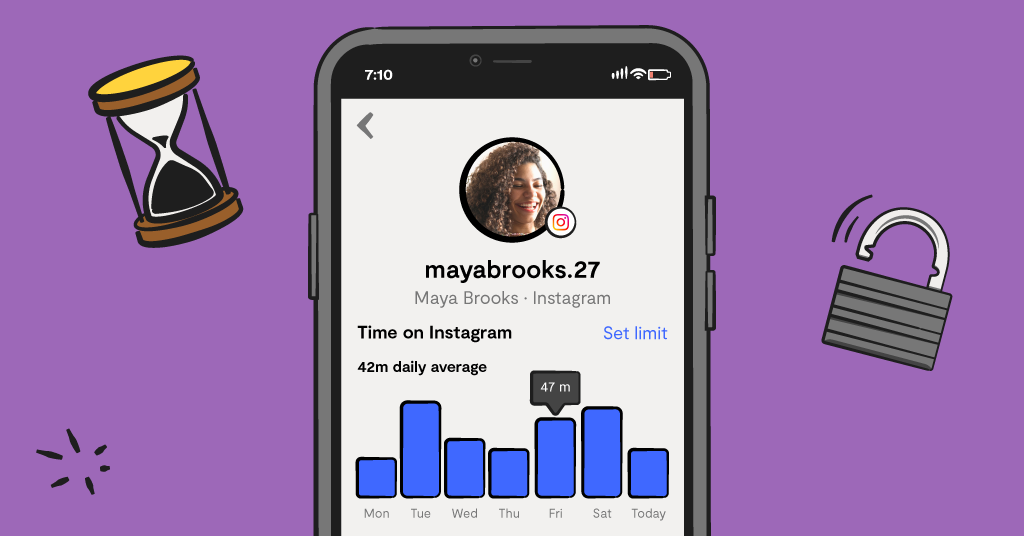

Bark helps families manage and protect their children’s digital lives.