
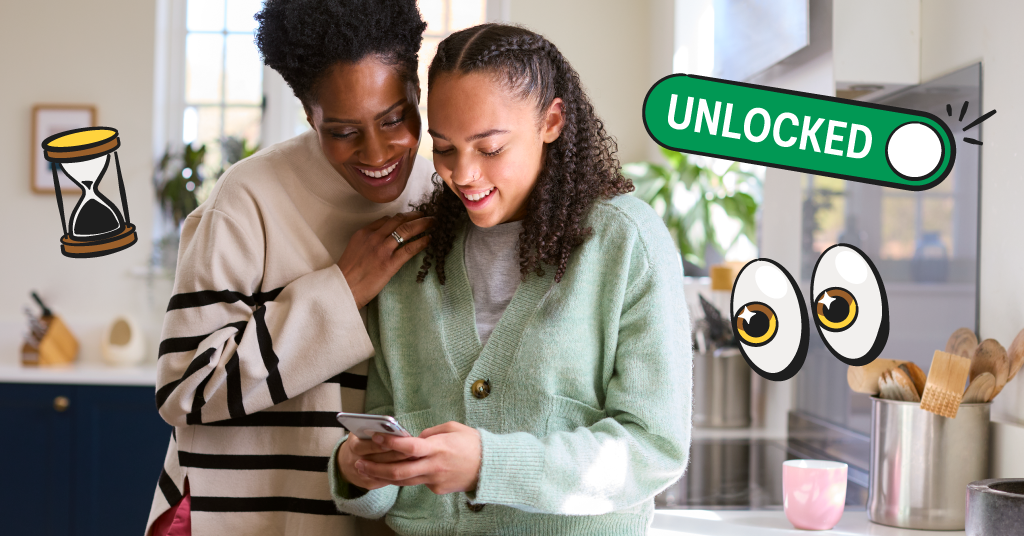
There are few things more important to a teenager than privacy. At 13, their room turns into their secret sanctum, their friend drama becomes top secret, and forget about getting a straight answer on what they’re doing on their phone. But in today’s high-stakes digital world, where teens can encounter cyberbullying and explicit content all before breakfast, parents are increasingly trying to strike a balance between giving teens the privacy they crave while also putting up some guardrails.
If you’re a little lost when it comes to the world of parental controls or just need to find a jumping-off point for how to talk to your teen, you’ve come to the right place. Below, we delve into why teen privacy matters, the risks of too much or too little monitoring, how to adjust as your child grows, and how Bark can help.
Why Teen Privacy Matters
Just like a growth spurt, your teen’s need for privacy may seemingly appear overnight, but the explanation behind it is layered. “Increased self-consciousness from puberty, the push for more independence, social insecurity with peers, and the development of a more complex interior world all tend to motivate this increased desire for privacy,” psychologist Carl E Pickhardt, Ph.D., explains. For teens navigating social groups and discovering who they are independent of others, life is a minefield—one they often feel best navigating without an audience.
The Risks of Too Much or Too Little Monitoring
Even when you’re trying to give your teen the privacy they deeply want, it can be tempting to quickly check their location or messages when they seem closed off, irritated, or unlike themselves. But what may feel like a simple check-in to make sure everything is okay can feel like a showing of distrust and disrespect to your teen.
When parents monitor their teen’s technology too aggressively, it can send unintended messages like, “I don’t believe you,” “I don’t think you can handle this” or “I don’t respect your boundaries.” For self-conscious adolescents already working through questions of identity and independence, overstepping, even when well-meaning, can feel especially threatening. Over time, excessive monitoring can make teens more likely to shut parents out, hide their accounts or turn to alternative apps.
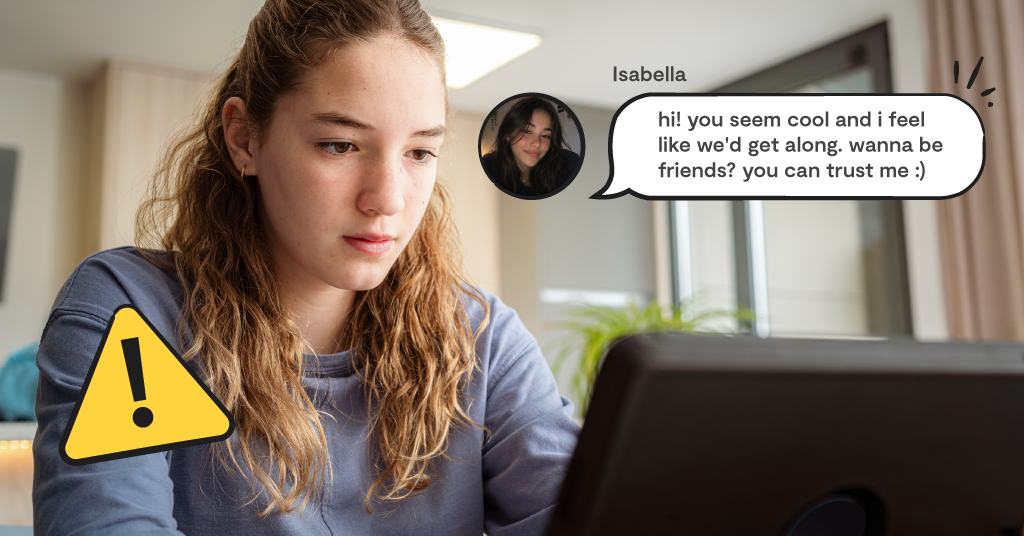
There are real risks that come along with giving your teen free rein as well. Left unchecked, teens can quickly find themselves running across dangerous content and online predators. According to Bark’s 2025 Annual Report, 70% of tweens encountered bullying online, 62% came across explicit content, and 15% saw messaging around disordered eating. All of these experiences may happen online, but they have real-world impacts, with teens reporting record-high rates of depression and anxiety.
How to Talk About Parental Monitoring
Before setting up any kind of parental monitoring on your teen’s devices, start with an open, honest conversation. Hiding your intent to track your teen’s app usage, location, or conversations can create distrust and lead to more pushback. Instead, explain the “why” behind what you’ll be monitoring and invite them into a conversation about what that monitoring will look like.
Work together to set boundaries that feel fair for both of you. That might sound like: “If you forget to check in when you get somewhere more than three times, I’ll have permission to check your location” or “I won’t read through your text messages unless there’s a serious safety concern, and if that ever happens, we’ll talk about it together.” Finding a middle ground, especially one that teens feel they have a say in, can make parental monitoring feel less like surveillance and more like a shared safety plan.
How to Adjust Parental Controls by Age
Parental controls aren’t meant to stay the same forever. As kids get older, the goal is to slowly shift from hands-on oversight to more collaborative guardrails. Here’s what that can look like at each stage:
Ages 8–10: Start with strong guardrails
Kids this age are still learning what’s safe online and need clear boundaries from the start. Consider setting up screen time limits, website blocking, app approval, safe search, and basic location sharing.
Ages 11–14: Watch for new independence
This is when tweens may start encountering bullying, inappropriate content, or pressure from peers. Consider monitoring texts, group chats, games, social media, and app activity, along with selected website blocking.
Ages 15–18: Keep a light safety net
At this age, the goal is to help teens practice managing their digital life with more independence before adulthood. Consider location sharing for teens on the go and focus on alerts for serious concerns like bullying, online predators, explicit content, self-harm, or drug and alcohol related messages.
How Bark Can Help
Bark helps you strike a balance between giving your teen as much privacy as possible while still helping keep them safe. Instead of checking in on every conversation yourself, Bark runs in the background, monitoring texts, emails, and 30+ apps for signs of cyberbullying, concerning language, and other potential safety issues. When something needs your attention, you’ll get an alert so you can step in with support without crossing unnecessary boundaries. Explore Bark’s products and tools to find what works best for your family.
Read more


Bark helps families manage and protect their children’s digital lives.
