

Something I hear most often after speaking with educators about online safety isn’t fear. It’s surprise. They’re surprised by the apps students are using. They’re surprised by how quickly those platforms change. They’re surprised by the kinds of situations students are navigating online long before an adult ever hears about them.
One independent school we partnered with through Bark for Schools described the experience as an eye-opener. The faculty assumed the online world students experienced at home looked a lot like the filtered environment they experienced at school. It didn’t. Once they saw the reality of what students were encountering online, many realized just how much the digital landscape had changed, and how much they hadn’t known. This reaction isn’t unusual. In fact, it’s probably the most common response I hear from educators.
That’s not a criticism of educators. If anything, it’s the opposite. Teachers are experts in teaching. Counselors are experts in supporting students. School leaders are experts in running schools. None of them can reasonably be expected to keep pace with a digital landscape that changes every few months. New apps emerge. Existing platforms add new features. AI tools become mainstream almost overnight. By the time one school year ends, the online world students are navigating often looks very different from the one educators prepared for in August.
Through our Connected Communities work, I’ve come to appreciate that the strongest districts don’t try to solve this challenge one classroom at a time. They build a shared approach that includes educators, families, students, and district leadership. They give educators enough context to recognize concerns, respond appropriately, and know they’re supported by a broader community when those concerns arise.
The August Problem
Most districts have one meaningful opportunity each year to prepare staff for online safety, and it lands during one of the busiest times on the calendar: professional development. Every August, districts try to fit an entire year's worth of priorities into a handful of in-service days: curriculum updates, new state requirements, operational logistics, technology initiatives. Somewhere in the middle, online safety gets its slot. Staff completes the session, a certificate gets logged, and everyone moves on.
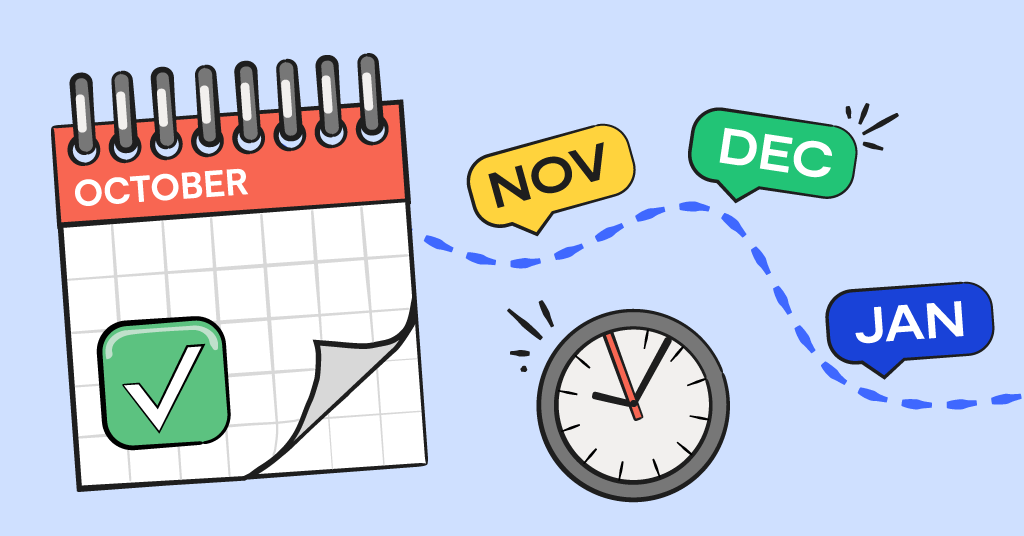
By November, much of what was covered has faded. Not because the information wasn't valuable, but because the training was never designed to stay fresh for an entire school year. It was designed to check a box.
In my experience working with districts, this isn't the result of anyone undervaluing online safety. The people building professional development calendars are solving a real scheduling problem — they have more priorities than they have time, and online safety is often one of the first topics to get compressed to fit whatever time remains.
Why We Only Measure Completion, Not Retention
The reality is that most districts are more focused on tracking completion of a training, rather than tracking whether the information is retained by the staff. A completion report tells you who attended the training and whether the requirement was met. Districts need that documentation, and there’s nothing inherently wrong with tracking it.
But completion only tells you the training happened. It doesn’t tell you whether it made a difference. It doesn’t tell you whether a teacher will recognize a warning sign in October. It doesn’t tell you whether a front office staff member will remember what to do after a student disclosure. It doesn’t tell you whether a counselor feels confident navigating a situation involving a platform that barely existed when the staff gathered in August.
Those questions don’t get answered until a real situation walks through the door. Unfortunately, that’s also the moment when forgotten information matters most. When knowledge fades, opportunities to recognize concerns early fade with it.
That’s one reason ongoing conversations matter. Preparing educators isn’t just about checking a box at the beginning of the year. It’s about giving them the confidence to recognize concerns, respond appropriately, and know where to turn when something unexpected happens months later.
What the Strongest Districts Do Differently
The districts where online safety training seems to have the greatest impact usually share a few characteristics.
They keep the conversation going
They treat it as an ongoing conversation instead of a single event. A fall session provides an important foundation, but it isn’t expected to do all the work. Short refreshers later in the year, updates during faculty meetings, or brief discussions when new technologies emerge help keep the information relevant. That approach acknowledges something simple: if the online world keeps changing, the conversation about online safety should change with it.
They treat each role differently
They recognize that different staff members need different information. A classroom teacher doesn’t need the same depth of training as a school counselor. A front office staff member isn’t responsible for the same decisions as an assistant principal. Trying to deliver identical training to everyone usually means nobody gets exactly what they need.
Role-specific training doesn’t have to be complicated. Often it just means helping each group understand the responsibilities they’ll actually have when a concern arises.
They loop in families
Finally, the strongest programs don’t stop with school staff. Families are navigating the same digital world, often with many of the same questions. The reality that schools face is that students move between two very different environments every day. At school, devices are filtered and supervised. At home, expectations, technology, and access vary from family to family.
When schools and parents are working from completely different understandings of today’s digital landscape, confusion tends to show up at exactly the wrong time. But when everyone understands the same risks, warning signs, and expectations, conversations become much more productive before a concern ever becomes a crisis. Students benefit from that consistency too. They hear the same expectations at school and at home instead of receiving mixed messages about what healthy digital behavior looks like.
A Better Question for District Leaders
I don’t think the answer is simply adding more hours to professional development. Most districts don’t have extra days waiting to be added to the calendar.
The better question is whether we’re asking one annual session to accomplish something it realistically can’t. A single presentation can introduce a topic and build awareness, but it probably can’t prepare educators for an online landscape that will continue changing long after the session ends.
That’s why I think we should ask our staff some different questions outside of the completion report. In January, ask staff what they actually remember from August. Ask them what they’ve applied. Ask them what surprised them. Those answers will tell you far more about the effectiveness of your professional development than a spreadsheet ever will.
It doesn’t just matter that the training happened. The real goal is preparing an entire school community. It’s helping educators feel confident. It’s helping families understand the digital world their children are navigating. And it’s creating a community where schools and parents are working from the same understanding instead of reacting from different ones.
That’s where online safety moves beyond checking a box. It becomes part of the culture of the school community.
Read more


Bark helps families manage and protect their children’s digital lives.