
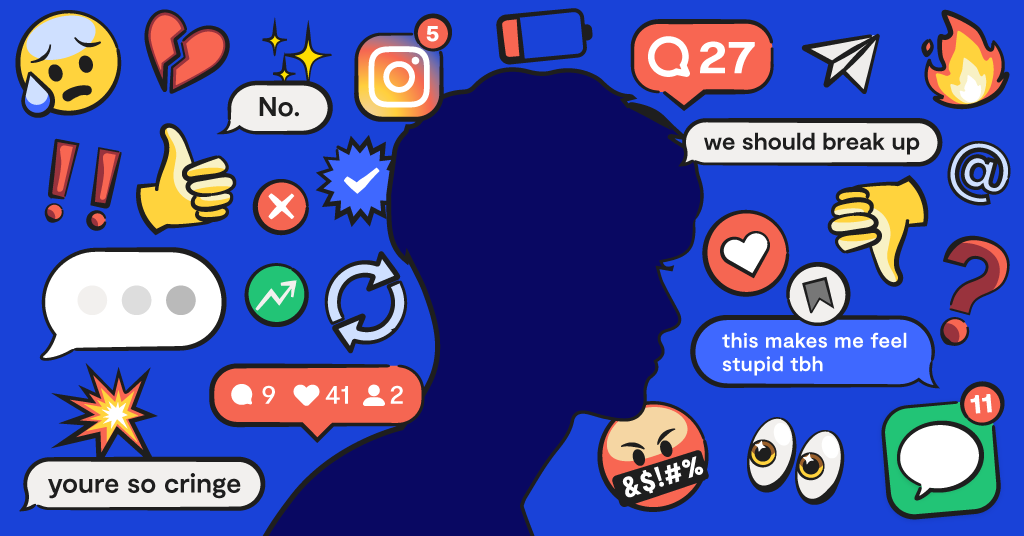
If not in your own home, you likely know a parent constantly trying to unglue their child from a phone. A meal without screens or bedtime without scrolling might not seem like a big deal to adults who grew up before smartphones, but for today’s teens, even an hour away from their device can feel like an eternity. If you’ve found yourself wondering what happened to your once easygoing kid — or why online life seems so emotionally charged for them — you’re not alone. Below, we break down why digital life feels so intense for teens, the warning signs of digital stress, and what parents can do to help.
Why Online Life Feels So Intense for Teens
Constant, Immediate Connection Is Expected
Today’s teens have never been more connected. About 95% of teens now report having access to a smartphone, and nearly half say they are online “almost constantly,” according to the Pew Research Center. These devices have evolved far more than a way to call home. Exploding group chats, dozens of social media notifications, and constant news alerts keep teens tethered to what’s happening in their social circles and around the world. Turn away for a minute, and you’ve missed out on that big party invite, fight between friends, or new “unprecedented event.”
This “FOMO,” or “fear of missing out,” is particularly strong during the teen years, when the brain is developing, and a heightened sense of social belonging and a need for peer approval emerge. Research in developmental psychology shows that social acceptance activates reward centers in the adolescent brain, making inclusion feel incredibly important—and exclusion especially painful.
Comparison Never Quits
If the group chat drama isn’t weighing heavily, a quick scroll of social media is enough to plummet a teen’s self-image. Scrolling through feeds filled with filtered photos, highlight reels, and carefully curated moments can leave teens comparing themselves to unrealistic standards. These comparisons hit particularly hard during adolescence, when teens are still forming their identity and sense of self. Questions like ‘Who am I?’ ‘Where do I fit?’ ‘Am I enough?’ are already front and center.
There’s little doubt that teens are feeling the weight of this constant comparison. Bark’s 2025 Annual Report found that 34% of teens encountered mentions of dangerous dieting practices online, from discussions of anorexia and bulimia to body dysmorphia. Globally, that translates to roughly 1 in 5 kids and teens showing signs of disordered eating.
Bullying Follows You Home
For earlier generations, bullying largely stopped at the school doors. Home offered a break. Today, that boundary has blurred. With smartphones and social media always within reach, cyberbullying can follow teens into their bedrooms, at the dinner table, and even late into the night. Because online harassment can happen at any time — and often in front of a wide audience — it can feel especially overwhelming.
Around 70% of tweens and 79% teens experienced cyberbullying last year, according to Bark’s Annual Report. And just because cyberbullying happens online doesn’t mean its consequences are any less real. Research consistently shows that teens who experience cyberbullying are more likely to report anxiety, depression, and higher suicide risk.
Warning Signs Your Teen Is Overwhelmed
Digital stress doesn’t always show up in obvious ways. But parents may notice shifts in behavior when online pressure starts taking a toll. Experts in adolescent health say that when teens feel overwhelmed by their phones or social media, it can affect everything from their mood to their sleep and daily routines. Look out for patterns like these:
- Mood changes after using their phone (sadness, irritability, or anxiety)
- Obsessive checking of notifications or messages
- Withdrawal from offline activities or friends
- Sleep disruption, especially from late-night scrolling
- Reluctance to talk about what’s happening online
If you notice these patterns popping up with your teens’ cellphone usage, it’s important to stay curious and talk with your teen about what’s happening in their life. By building trust with them and staying open-minded, they’re much more likely to share their concerns.
How Parents Can Help Ease The Digital Pressure
As we’ve seen, online life can feel incredibly high stakes for teens. Their friendships, social dynamics, and sense of belonging often unfold through their phones. That’s why going cold turkey on screens or relying on sweeping punishments can sometimes backfire. Instead, the American Academy of Pediatrics suggests helping teens build healthier habits and perspectives around their digital lives—so they can stay connected without feeling constantly overwhelmed.
- Keep conversations open. Create regular opportunities to talk about what’s happening online. Ask curious, non-judgmental questions like “What’s been going on in your group chats lately?” or “Anything online bothering you lately?”
- Normalize stepping away from the phone. Many teens worry that taking a break means they’ll miss something important. Remind them that it’s okay to unplug for a bit. Encourage small pauses during homework, meals, or family time to help their brain reset.
- Protect sleep. Late-night scrolling can make it harder for teens to get the good sleep they need. Setting simple boundaries like charging phones outside the bedroom or having a wind-down routine before bed can make a big difference.
- Help them put social media in perspective. Remind teens that what they see online is rarely the full picture. Most posts are carefully curated highlight reels, not real life. Talking openly about filters, AI-generated content, and the pressure to appear perfect.
- Encourage strong offline connections. Sports, hobbies, volunteering, and time with friends in person can help balance the intensity of online life. The more teens build confidence and connection offline, the less power digital drama tends to hold.
- Model healthy screen habits. Kids notice how adults use technology too. Putting your own phone down during meals or conversations helps reinforce the idea that real-life connections still matter most.
Small shifts like these won’t eliminate digital stress entirely, but they can help teens feel less alone and better equipped to navigate the pressures that come with growing up online.
How Bark Can Help
As online life grows louder, faster, and more emotionally charged for teens, parents don’t have to navigate it alone. Bark helps you stay informed by alerting you to potential concerns and giving you the tools to set healthy screentime boundaries. Explore Bark’s suite of parental control products to find what works best for your family.
Read more


Bark helps families manage and protect their children’s digital lives.