
The phrase “stranger danger” is ingrained in most kids from an early age: Don’t engage with or share personal information with people you don’t know. But today’s digital world has made that lesson much more complicated. Parents now have to think beyond in-person safety and teach kids what not to share online. It’s a lot to manage, and what kids willingly share is only one piece of the online privacy puzzle.
That’s because kids’ personal information can also be collected in ways that aren’t always obvious, even when they’re simply playing a game, watching videos, or using a school app. In this guide, we’ll explain why children’s online privacy is so complicated, the risks parents should know about, and the simple steps you can take to help protect your child’s information online.
Why Children’s Online Privacy Is Complicated
Online privacy is tricky for everyone, but it’s especially complicated for kids. Adults often have a hard enough time understanding what data an app or website collects, why it’s being collected, and where it may end up. For children, those questions are even harder to grasp.
Kids Can’t Meaningfully Consent
A child may agree to a game’s terms of service or allow an app to access their camera, but that doesn’t mean they understand what they’re agreeing to. Privacy policies are often long, confusing, and full of legal language. Even adults skip them, so it’s unrealistic to expect kids to fully understand how their information may be collected, stored, or shared.
This is part of why the Children’s Online Privacy Protection Act, or COPPA, exists. COPPA is a federal law that requires websites directed to kids under 13 to get verifiable parental consent. COPPA can also apply to apps and websites (like social media sites) that aren’t specifically made for kids if the company knows children under 13 are using them and sharing personal information.
Even COPPA and age minimums don’t always keep younger users safe. A 2025 study found that 63.8% of participants under 13 reported using social media, even though many major platforms have a minimum age requirement. From entering a different birthday to using a parent’s device to approve access, today’s tech-savvy kids can often find simple workarounds. And in many cases, websites and apps do little to make age checks difficult to bypass.
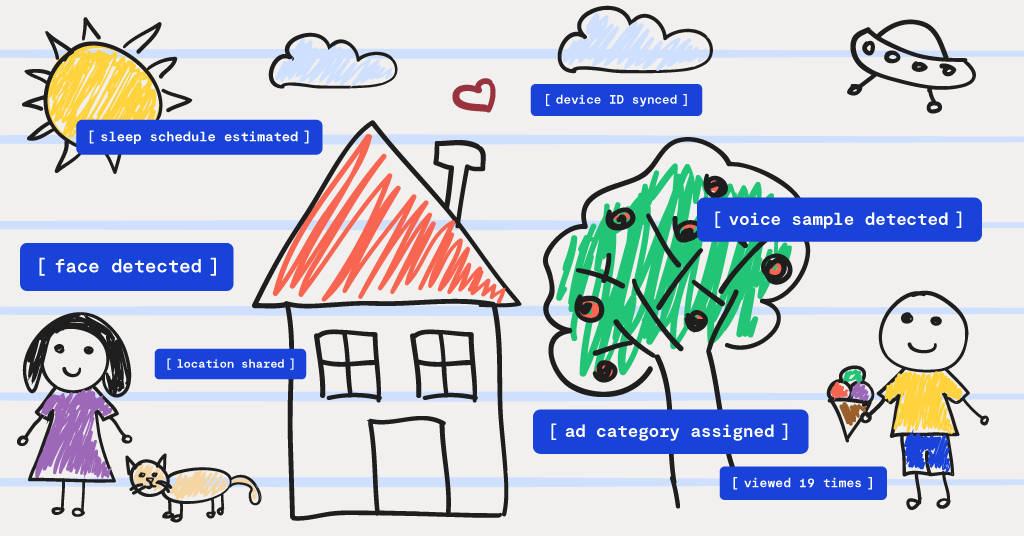
Background Data Collection Goes Far Beyond Their Name
When parents think about online privacy, they tend to focus on obvious personal details, like a child’s name, birthday, or address. But apps, games, websites, and school tools often collect much more information, including:
- Photos, videos, and voice recordings
- Location data
- Search and watch history
- App activity
- Contacts
- Ad interactions
- In-game chats and usernames
Much of this data collection is happening quietly in the background. In a recent study of over 5,000 popular children’s apps, researchers found that 73% transmitted sensitive data over the internet. While the above list might seem like a blend of sensitive and harmless information, this detailed data collection can reveal a lot about a child’s interests, routines, habits, and behavior.
Social Media Makes Privacy Less Predictable
Social media adds another layer because your child’s privacy isn’t always fully in their control. Even if you and your child are careful about what you post, others can still share information about them by tagging them in photos, adding them to group chats, posting screenshots, or mentioning details like their school, location, or weekend plans.
One study published in Educational Researcher found that US schools and districts shared an estimated 4.9 million public Facebook posts with identifiable images of students, and about 726,000 of those posts were estimated to identify one or more students by first and last name. In today’s fast-paced sharing culture, keeping your child from appearing in these posts or posts from other groups or organizations often requires specifically opting out, rather than opting in.
Kid’s Online Privacy Risks
Not all data collection is dangerous. Some data helps apps run, save preferences or personalize the experience. The concern arises when data is collected, used, and shared without consent, posing real risks.
- Targeted ads and manipulative content: Kids’ data can shape the ads, videos, recommendations, and in-app purchases they see. The Federal Trade Commission has recently raised several concerns about “stealth advertising” directed at kids. Because children are still learning how to recognize persuasion, it can be harder for them to tell when they’re being nudged to keep watching, click, or buy.
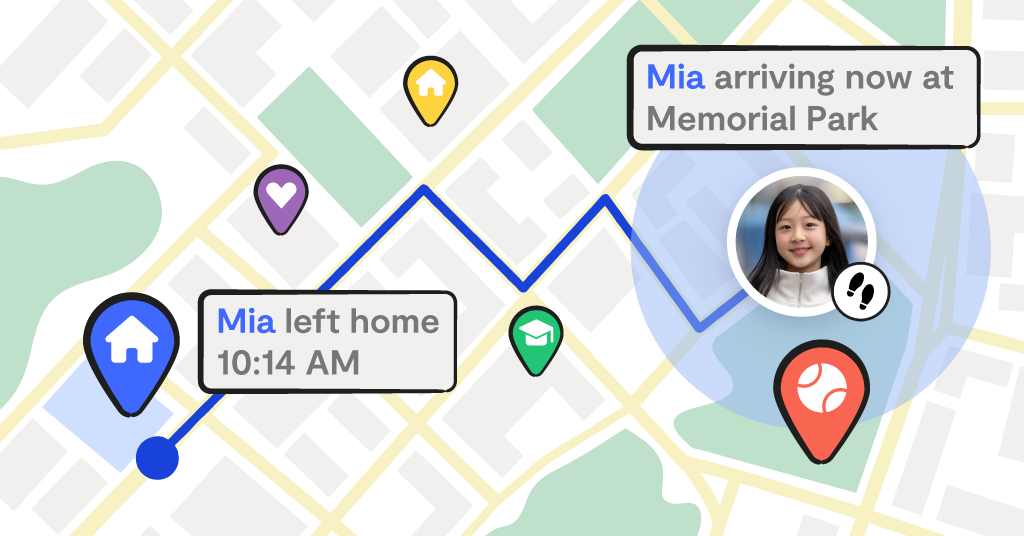
- Location tracking: Location data can reveal where a child lives, goes to school, or spends time. Even small clues, like a geotag on social media photos, a school logo, a sports uniform, or a regular check-in, can help predators piece together a child’s routine.
- Data breaches and identity theft: If an app, school platform, or website stores children’s personal information and that system is hacked, details like names, birthdays, or even Social Security numbers could be exposed. Kids are especially vulnerable because identity theft can go unnoticed for years. According to the FTC, child identity theft increased by 40% between 2021 and 2024, with around 1 in 50 kids falling victim to identity theft every year.
- Scams, phishing, and impersonation: The more information there is about a child online, the easier it is for scammers to make messages seem personal or believable. Kids are more likely to trust messages that appear to come from a friend, teacher, favorite creator, gaming platform, or brand. Nearly 40% of Gen Z families reported phishing attempts sent to their children in 2025.
The goal isn’t to scare families away from the internet. It’s to understand that kids’ data can carry real weight, and small choices online can add up over time.
How You Can Protect Children’s Online Privacy
Protecting your child’s online privacy doesn’t have to mean locking everything down. A few small, proactive habits can make a big difference.
- Audit app permissions: Go through your child’s device and check which apps have access to their location, camera, microphone, contacts and photos. If an app doesn’t truly need that access to work, turn it off.
- Set privacy settings early: Don’t wait for your child to figure it out on their own. Set social media accounts to private by default, limit who can message or tag them. Don’t be afraid to turn on parental controls across apps and check these settings regularly, especially after app updates.
- Use a family email for sign-ups: Instead of using your child’s real name, birthday or personal email address for every app or game, consider creating a family email account for sign-ups. This can help limit the personal information directly tied to your child.
- Talk about it, don’t just restrict it: Kids are more likely to make smart choices when they understand the “why.” Explain that privacy isn’t just about hiding things from parents. It’s about protecting their identity, photos, and personal information from people and companies they don’t know.
How Bark Can Help
Even with the best laid plans and parental controls, it can be difficult to protect your child’s online privacy. Bark is here to help with a suite of tools, including app and content monitoring, parental controls, web filtering, and more. You may even consider checking out the Bark Phone, built with children’s safety in mind. Explore Bark’s products and tools to find what works best for your family.
*Important note: You might be curious about how Bark manages all of the data we analyze. When Bark scans your data, we immediately encrypt it so it can’t be traced back to you. Additionally, we purge data every 30 days (and parents can request us to purge their child’s data at any time). We hold ourselves to the highest security standards to ensure your and your child's safety.
Read more

Bark helps families manage and protect their children’s digital lives.