
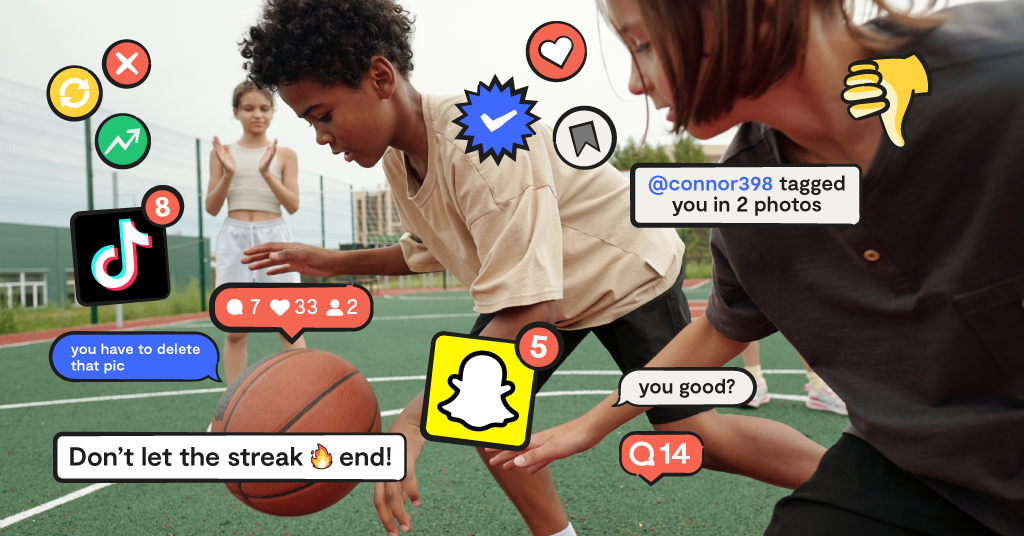
There’s always been pressure for teens to fit in. But in today’s world, social media has supercharged that pressure with deceiving filters, 24/7 updates, anonymous comments, and an algorithm that pulls teens in and feeds them eye-catching absolutes for hours. Pressures that start on social media can quickly spill over into the real world, where they can affect everything from your teen’s mood to their body image and belief system.
Navigating the ups and downs and helping your teen step away isn't easy, but it is possible. Below, we dive into how social media pressures spill into real life, what the consequences are, and how you can help your teen find peace and clarity amid the chaos.
How Teen Social Media Pressure Spills Into Real Life
For teens, social media doesn’t always stay neatly contained on a screen. A comment, group photo, workout video, or trending opinion can follow them into school hallways, friendships, and even how they see themselves in the mirror.
Living for Likes
Likes, views, comments, and follower counts now make the social approval we all crave feel measurable. For teens who are still figuring out who they are, that instant feedback can feel like resounding proof they’re accepted, or like evidence they’re not. The American Psychological Association notes that teens can be especially sensitive to features that encourage comparison and feedback, like likes, comments, and follower counts, during this pivotal stage in their development.
Chasing likes, comments and attention, it’s easy for teens over time to start making choices based on what will get the best reaction rather than what actually feels good or true to them. They’re likely to overthink what to wear, where to go, what to say, or which parts of their life are “post-worthy.” Instead of simply enjoying an experience, they may start measuring it by how it might look to everyone else.
Comparison On Overload
Social media gives teens a constant stream of filtered faces, edited bodies, exciting plans, and carefully curated “perfect” lives. Even when teens know not everything they see is real, it can still be hard not to compare their everyday life to someone else’s highlight reel.
That comparison can be especially tough when it comes to body image, and for some teens, it can go beyond feeling insecure. In the US Surgeon General’s advisory on social media and youth mental health, 46% of adolescents ages 13 to 17 said social media makes them feel worse about their body image. Bark’s 2025 Annual Report also points to a troubling reality: More than 1 in 5 teens show signs of disordered eating, and 34% of teens encountered mentions of dangerous dieting practices on their phones, including discussions of anorexia, bulimia, and body dysmorphia.
Social Status On Screen
Online popularity can quickly become social currency offline. Who gets tagged, who makes the private story, who is in the group chat, and who gets attention online can all shape how teens understand their place in a friend group. That’s part of what makes social media so complicated.
A 2025 Pew Research Center survey found that 74% of teens say what they see on social media makes them feel more connected to what’s going on in their friends’ lives. But that constant connection comes at a cost. In the same report, 39% of teens said social media makes them feel overwhelmed by drama, while 31% said it makes them feel excluded by friends. Another 27% said social media makes them feel worse about their own life.
A conflict that once might have happened between a few people can now be screenshotted, shared, or replayed in group chats. A joke can turn into public humiliation. A party invite can become a visible reminder of who was and wasn’t included. For teens already trying to figure out where they belong, social media can make every social moment feel higher stakes.
Signs Your Teen Might Be Struggling with Social Media Pressure
Not every bad mood or quiet afternoon means social media is the problem. That’s just life with a teen sometimes! But if you notice a pattern of the behaviors below, it may be worth paying closer attention.
- Seeming anxious or upset after being online
- Obsessing over likes, comments, views, or story watches
- Deleting, reposting, or overthinking photos
- Constantly comparing themselves to influencers, classmates, or friends
- Becoming more critical of their body or talking more about dieting or “fixing” their body
- Pulling away from activities they used to enjoy
- Experiencing changes in sleep, mood, or phone habits
The goal isn’t to blame every teen's struggles or mood swings on social media. Instead, focus on noticing when the online world seems to be shaping how your teen feels about themselves and facilitate an open, judgment-free conversation about it.
How To Help Your Teen Step Away and Find Peace
Helping your teen manage social media pressure doesn’t have to start with taking their phone away. In many cases, the most helpful first step is making space for honest conversations, realistic boundaries, and offline moments that help them feel grounded again.
- Ask what feels fun and what feels stressful. Instead of leading with rules, start with curiosity. Ask which apps make them laugh, which ones make them feel left out, and whether certain accounts, group chats, or trends leave them feeling worse.
- Help them clean up their feed. Armed with this information, encourage them to unfollow, mute, or block accounts that trigger comparison or pressure. Remind them they don’t have to keep watching content that makes them feel bad just to stay in the loop.
- Create phone-free reset points. Build in simple breaks that don’t feel like punishment, such as keeping phones away during dinner, charging devices outside the bedroom, or taking a short break after school before checking notifications.
- Encourage offline confidence builders. Sports, art, clubs, and low-pressure hangouts can remind teens that they are more than their online presence. The goal is to help them reconnect with what makes them feel capable, calm, and like themselves.
- Model your own boundaries. Teens notice how adults use phones, too. Putting your phone away during conversations, taking breaks from scrolling, or talking honestly about your own online pressures can make the experience feel more normal.
How Bark Can Help
Even with open conversations and healthy boundaries, it can be hard to know when social media pressure is starting to affect your teen’s well-being. Bark helps by monitoring texts, emails, and 30+ apps and social platforms for signs of issues like cyberbullying, depression, anxiety, self-harm, online predators, and concerning language. Explore Bark’s products and tools to find what works best for your family.
Read more



Bark helps families manage and protect their children’s digital lives.